
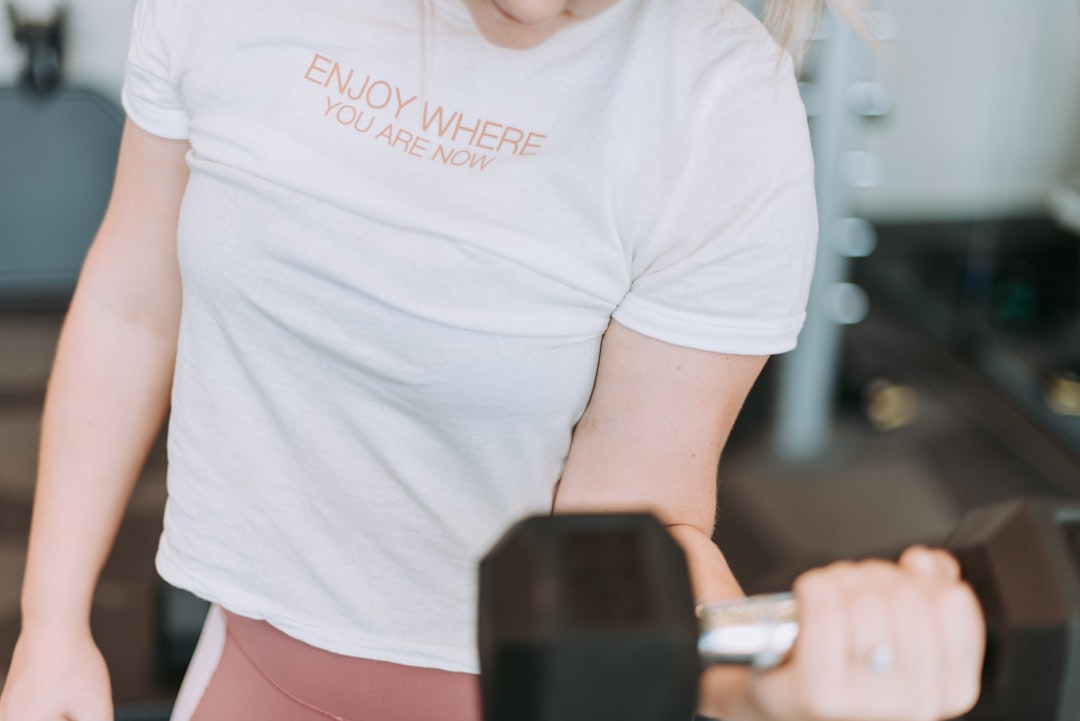
Small Movements, Big Changes: Get Fit in Just 10 Minutes a Day
Introduction: Forget the Myth That Health Requires Hours at the Gym
Let’s be honest. In this fast-paced world, finding time to move has become a true odyssey for almost everyone: professionals, parents, students, entrepreneurs… Whether due to work, meetings, deadlines, family dinners, or simply daily life, the idea of dedicating an hour—or even half—to exercise sounds like an unattainable luxury. For many, the belief that getting fit requires breaking a sweat at the gym, paying expensive memberships, or having sophisticated equipment has become an insurmountable barrier.
But what if I told you that everything you thought about exercise and time was wrong?
This is where micro-workouts come into play: small, short, but intense bursts of physical activity, lasting between 5 and 10 minutes, strategically distributed throughout the day. These “exercise pills” are completely changing how busy people approach fitness. They prove that you don’t need hours of free time to gain strength, improve your heart health, recharge energy, and maintain a healthy weight.
The science is crystal clear: consistency outweighs duration. And the wonder of micro-workouts lies precisely in how accessible they are. Whether you’re a busy CEO, a parent juggling children, or a university student buried in notes, micro-workouts fit into the smallest gaps in your day, with surprisingly powerful results!
In this article, we will break down the science behind these express workouts, their proven benefits, practical routines you can start today, expert tips for success, and how to turn this into a habit that transforms your health in just 10 minutes a day.

Chapter 1: What Exactly Are Micro-Workouts?
Unpacking the Concept
Imagine micro-workouts as small doses of exercise, generally 1 to 10 minutes, that focus on specific muscle groups or elevating your heart rate with high or moderate-intensity movements. Unlike traditional routines that require you to set aside a considerable block of time, micro-workouts are designed to be interspersed throughout the day, fitting perfectly into your current routine.
The idea is simple: instead of a single 60-minute session, you do several brief sessions—perhaps three to six rounds of 5 to 10 minutes each—thus accumulating a significant total volume of exercise throughout the day.
How They Differ from Traditional Routines
Traditional workouts have a structure we’re all familiar with: warm-up, main part, cool-down, shower, and change. This entire process can easily take 90 minutes or more. Micro-workouts eliminate much of that “overhead.” There’s no need to change into sportswear, go to the gym, or reserve a large chunk of time. You simply move where you are, with what you have, for a few minutes.
It’s important to clarify that micro-workouts are not intended to replace a super comprehensive athletic training program. If you’re training for a marathon or a bodybuilding competition, you’ll need longer, more structured sessions. But for the vast majority of people, whose main goal is general health, weight management, stress reduction, and good daily physical condition, micro-workouts offer an incredibly effective and lasting solution.
The ‘Exercise Snacking’ Philosophy
Some researchers call it “exercise snacking.” Just as a nutritional snack is a small meal between hours to maintain energy, an “exercise snack” consists of making small movements between periods of sitting. This makes exercise seem less like a monumental task and more like a natural part of the day, rather than something to dread.
Chapter 2: The Science Behind Short Workouts
Expert Evidence
The scientific community has focused on the effectiveness of short-duration exercise, and the results are frankly promising.
A 2019 study published in the British Journal of Sports Medicine analyzed loads of data and concluded that accumulating physical activity in short bursts throughout the day produces health benefits comparable to those of longer, continuous exercise sessions. The study found significant improvements in cardiovascular fitness, blood pressure, blood sugar regulation, and body composition among participants who exercised in brief, repeated sessions.
Another key study from McMaster University in Canada demonstrated that just three 20-second bursts of intense exercise within a 10-minute session (including warm-up and cool-down) improved cardiovascular fitness and insulin sensitivity.