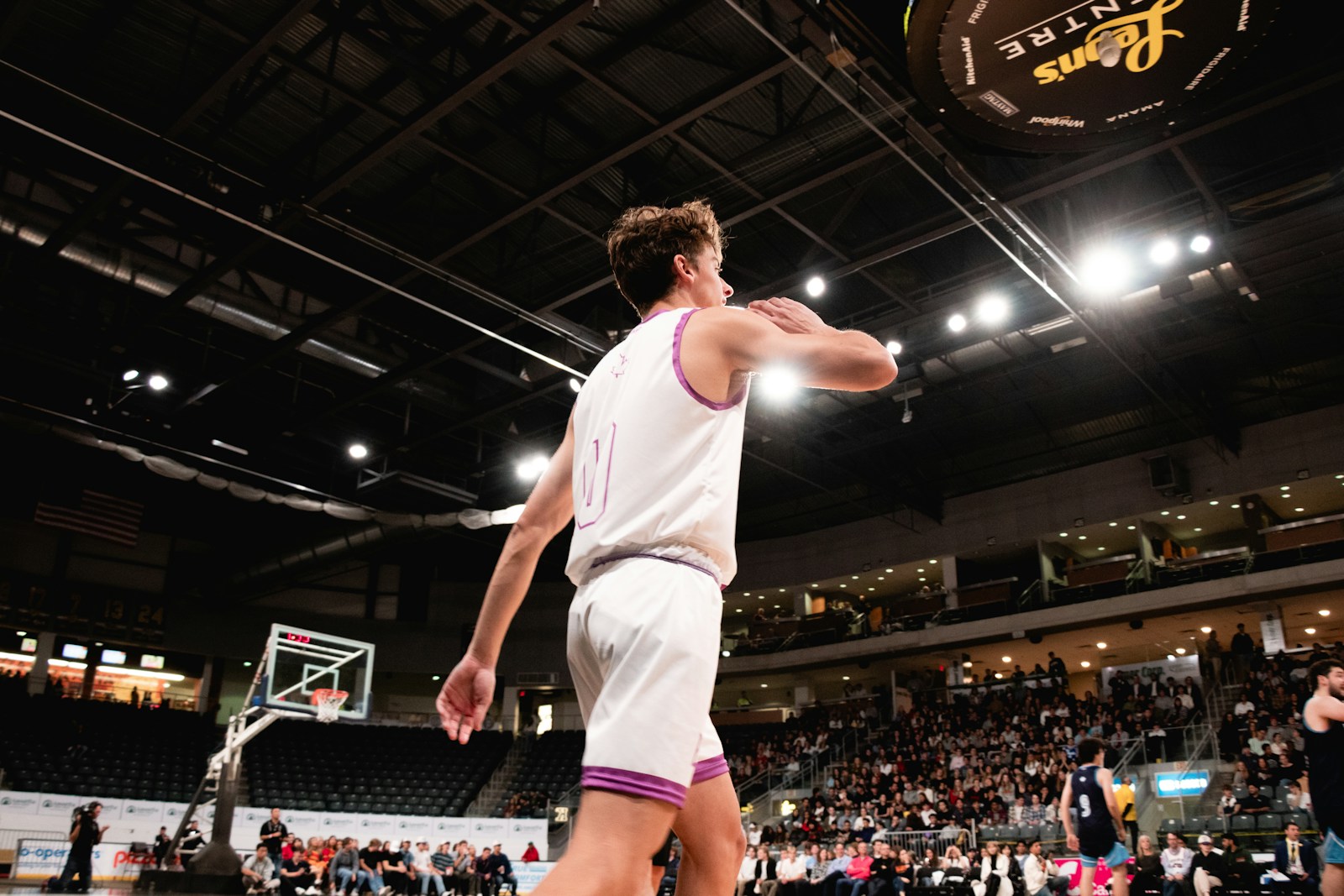
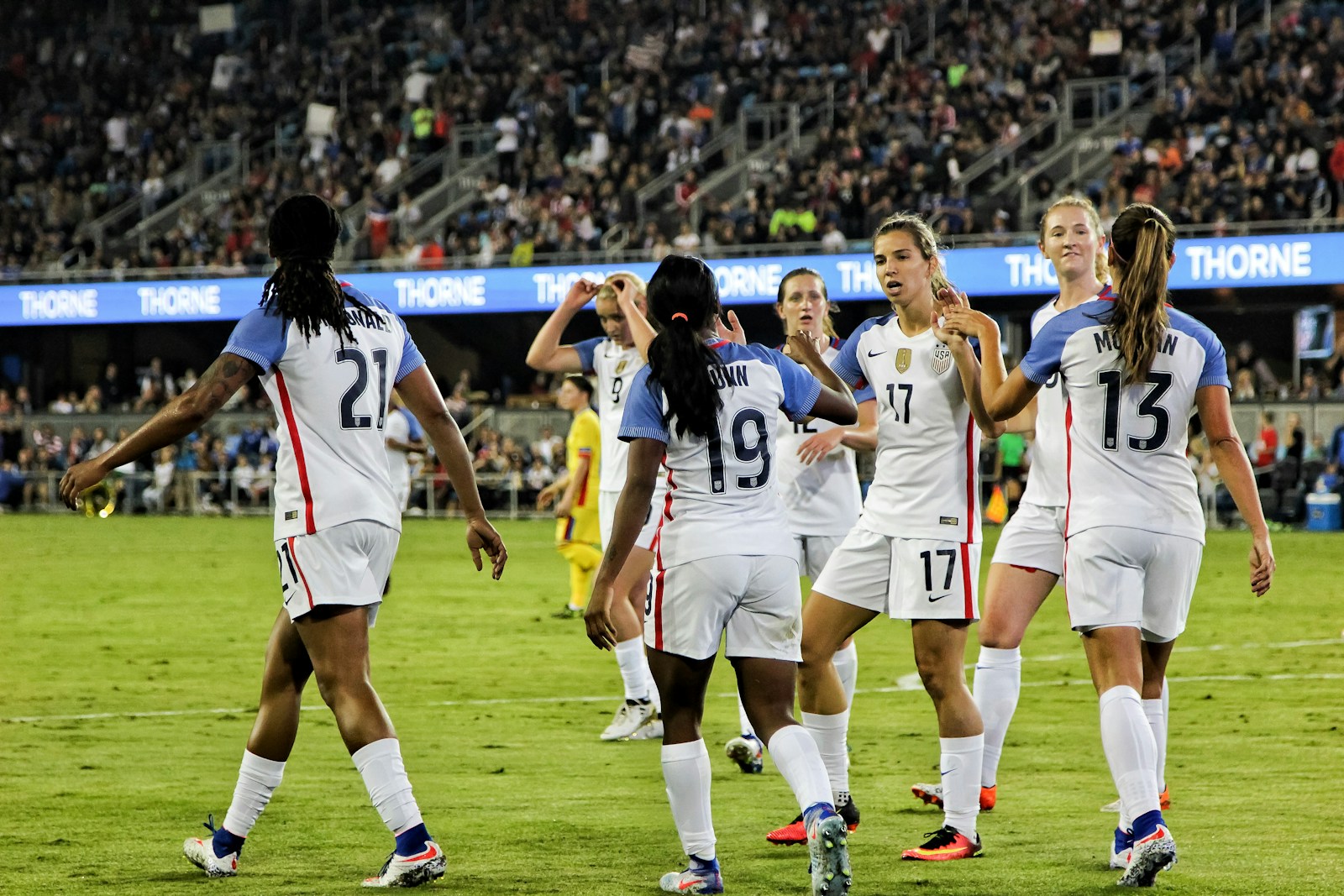
Women’s sports in the United States enter 2026 not as a “nice to have,” but as one of the most dynamic growth segments in the entire sports industry. Revenues, valuations, and media deals are scaling quickly, and investors, brands, and broadcasters are treating women’s properties as serious, long‑term assets rather than side projects. For marketers and rights holders, this is a pivotal moment to secure market share before valuations and rights fees climb even higher.
From Momentum to Maturity: Where Women’s Sports Stand in 2026
Over the last few years, women’s sports have shifted from “potential” to demonstrated performance, both in the U.S. and globally.
Key markers of this transition:
-
Global women’s sports revenues were projected to reach around 2.35 billion dollars in 2025, roughly triple 2022 levels, with basketball and football (soccer) leading growth.
-
Analysts expect women’s basketball alone to generate more than 1 billion dollars, with U.S. leagues playing a major role.
-
Major brands, including Nike, e.l.f. Beauty and Ally, have entered or expanded long‑term sponsorships, signaling confidence in sustained returns.
In 2026, experts increasingly describe women’s sport sponsorship as moving from disruption to maturity, with more structured strategies and higher expectations on both sides.
Sponsorship Dollars Flooding into Women’s Sports
Sponsorship has been the primary engine of the women’s sports commercial boom, and 2026 continues that trajectory.
Recent industry reports show:
-
Women’s sports sponsorship inventory is attracting new categories such as beauty, healthcare, and lifestyle brands that historically ignored sports.
-
Average team sponsorship costs for women’s leagues have historically been significantly lower than men’s, creating accessible entry points and strong value for brands.
-
Brands are increasingly seeking multi‑asset deals across leagues, teams, and individual athletes to build integrated campaigns.
Luxury and purpose‑driven brands are also entering the space, viewing women’s sports as a credible platform to speak about equality, wellness, and sustainability, provided those messages are backed by real action.
WNBA: Expansion, Media Rights, and Soaring Valuations
The WNBA is one of the clearest examples of how women’s sports have become serious financial assets by 2026.
Recent data highlights:
-
New WNBA expansion teams in cities such as Cleveland, Detroit, and Philadelphia were acquired at approximately 250 million dollars each, a record level for a U.S. women’s league.
-
The New York Liberty reportedly sold a minority stake at a valuation of around 450 million dollars, while the Golden State Valkyries expansion franchise has been valued near 500 million dollars.
-
A new long‑term media rights deal for the WNBA, beginning with the 2026 season, is valued at about 200 million dollars annually, significantly up from prior arrangements.
These numbers reflect growing confidence in the WNBA’s business model, with expanded revenue sharing, increased sponsorship income, and larger audiences across both linear and streaming platforms.
NWSL and Women’s Soccer: A Powerhouse in the Making
Women’s soccer in the U.S., particularly through the National Women’s Soccer League (NWSL), is also experiencing a major upswing.
Important developments include:
-
A landmark four‑year media rights package with Prime Video, CBS Sports, ESPN, and Scripps Sports, described as one of the most lucrative deals ever for a women’s league.
-
Expansion teams in markets like Denver and Atlanta selling for approximately 110 million and 165 million dollars respectively.
-
Strong sponsorship backing from brands such as Ally, Nike, CarMax, and Adobe, which used their weight in negotiations to encourage higher media investment and promotion.
Investors now increasingly view the NWSL and WNBA as a distinct asset class from earlier‑stage women’s properties, with different risk profiles, maturity, and valuation expectations.
Emerging Leagues: Volleyball, Hockey, and Beyond
The boom is not limited to basketball and soccer; emerging women’s properties in volleyball, hockey, and other sports are attracting capital and experimentation.
Trends across newer properties:
-
Startup volleyball leagues, such as LOVB, have sold expansion teams at eight‑figure valuations, underscoring confidence in long‑term potential.
-
Professional women’s hockey and lacrosse are drawing sponsors ranging from diaper brands to cosmetics companies, broadening the sponsor mix beyond traditional categories.
-
Investors are segmenting their strategies: some target mature properties like the WNBA and NWSL, while others focus on earlier‑stage leagues with higher growth potential but more risk.
This diversification suggests women’s sports are evolving into a layered ecosystem with multiple tiers of investment opportunity.
Brands View Women’s Sports Fans as “Must‑Reach,” Not Niche
One of the biggest mindset shifts in 2026 is how brands perceive the women’s sports audience.
Research and sponsorship‑tracking reports show:
-
Women’s sports fans are highly engaged, with strong digital consumption and above‑average social interaction around content.
-
Fans often view sponsors favorably when they support women’s properties, associating them with progress, inclusion, and community investment.
-
Brands report solid returns on sponsorships in women’s sports, including uplift in awareness, brand favorability, and purchase intent.
As a result, marketers increasingly treat women’s sports as a core channel within broader media plans, not just an add‑on.
Data, Storytelling, and Creator‑Led Content
Data and digital storytelling play a central role in how women’s sports build commercial value in 2026.
Key patterns:
-
Leagues and teams are using better audience data—attendance, viewership, engagement—to demonstrate ROI and justify higher sponsorship pricing.
-
Athletes’ owned channels on social platforms have become critical assets, with creator‑style content deepening fan relationships and driving sponsor value.
-
Data collection on athlete performance is being used to enhance quality of play and create new content formats, while raising important privacy and ethics questions.
In many cases, women’s properties are more agile and experimental than long‑established men’s leagues, willing to “color outside the lines” in how they package rights, content, and partnerships.
Investment Outlook: Why Capital Is Flowing into Women’s Sports
Investors in 2026 are increasingly sophisticated about where and how they deploy capital in women’s sports.
Finance‑focused analysis highlights:
-
Private equity firms and high‑net‑worth individuals view women’s sports as a multi‑billion‑dollar opportunity with strong growth fundamentals.
-
There is now clearer separation between mature assets (WNBA, NWSL) and more speculative properties, allowing differentiated portfolios and risk management.
-
Growth in valuations and rights fees is underpinned by structural changes: better media deals, improved revenue sharing, and more professionalized operations.
Analysts note that fewer investors now come in with a vague “I just want to be in women’s sports” thesis; more arrive with specific targets and strategies, signaling market maturation.
Women’s Sports as a Healthcare and Purpose Platform
Another distinctive 2026 trend is the alignment between women’s sports and sectors like healthcare and wellness.
Recent commentary suggests:
-
Women’s sports and women’s health are increasingly seen as intertwined structural components of the global economy, not just social causes.
-
Healthcare brands recognize athletes as powerful advocates for topics such as mental health, reproductive health, and long‑term wellbeing.
-
Partnerships are shifting from one‑off campaigns to multi‑year platforms that link performance, health, and community impact.
This adds an extra dimension to the commercial story: women’s sports become not only entertainment but also a credible stage for high‑value health and purpose‑driven messaging.
Challenges: Monetization Gaps and Structural Barriers
Despite the boom, 2026 is not without challenges for women’s sports in the U.S.
Key issues include:
-
A remaining monetization gap versus men’s properties in media rights, sponsorship rates, and player salaries, even after strong recent growth.
-
The need for more investment in grassroots pathways, facilities, and support systems to sustain elite performance and deepen the talent pool.
-
Ensuring that rapid commercialization does not leave behind core fans or compromise authenticity and accessibility.
Closing these gaps will require continued collaboration among leagues, broadcasters, sponsors, and investors, with long‑term commitment rather than short‑term opportunism.