
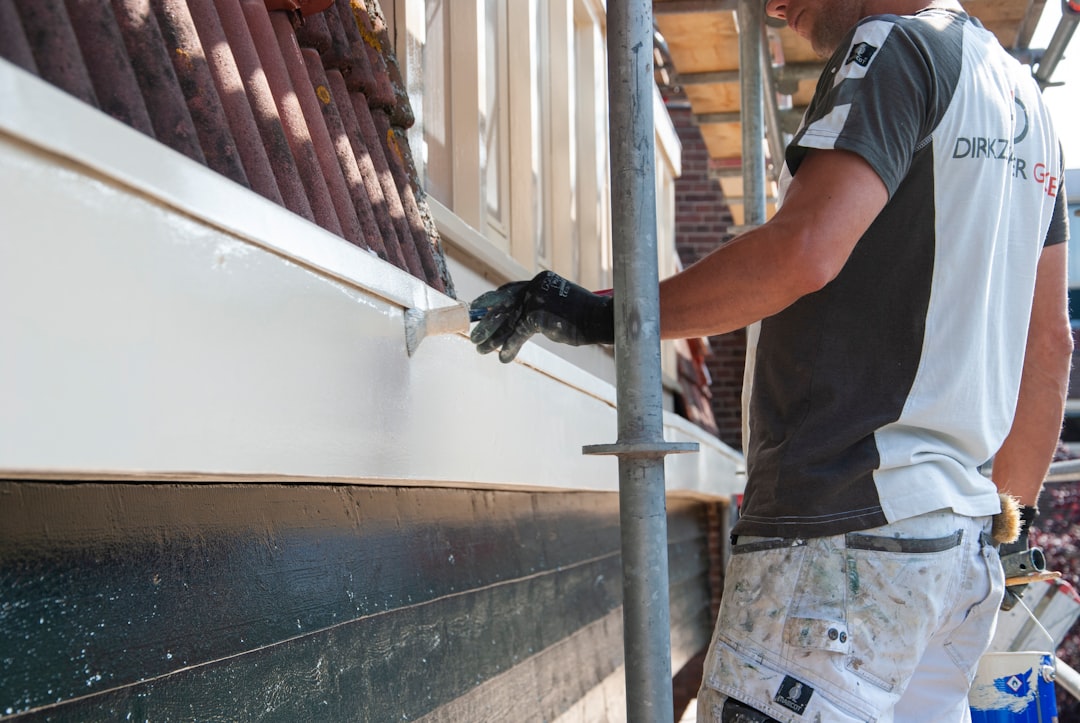
Your DIY Home Adventure: The Ultimate Guide to Transforming Your Space
Ready to Repair, Remodel, and Renovate Your Home with Your Own Hands?
Is there anything more gratifying than tearing up that old linoleum floor and watching how the beautiful hardwood you just installed gives your house a completely new look? And the best part is, you did it yourself! But let’s be honest, reaching that level of DIY satisfaction requires its fair share of time, patience, and, yes, a lot of research.
With this guide we’ve prepared for you, especially if you’re a first-time homeowner or just want to dive into the world of DIY, we’ll help you develop the skills you need. From giving a room a new lease on life with paint to keeping your lawn so green your neighbors ask for your secret.
What You’ll Find in This Guide:
- Painting (the classic DIYer’s first step!)
- Landscaping (for a dream exterior)
- Remodeling (small changes, big impact)
- Roofing (keeping your home safe from weather surprises)
- Flooring (where every step counts)
- Plumbing (goodbye, mysterious drips)
- Electrical (with safety and spark)
1. DIY Painting: Give Your World a Fresh Look!
Painting is often the first big step we take as homeowners. We don’t need to be professional electricians or plumbers, nor do we need a workshop full of exotic tools. But be careful, that doesn’t mean your first brushstroke will be museum-worthy. Read on and we’ll tell you all the secrets to make every home painting job a success.
Preparation: The Secret to an Impressive Finish
Believe us, there’s more to do before dipping the brush. We’re talking about preparing the room and, of course, the walls. Skipping this step is like inviting drips and splatters to the party, and we assure you they are not good guests. They’ll end up on the floor, baseboards, ceiling, or your furniture. And don’t even get us started on how much it costs to clean all that up! If you don’t prepare the wall properly, the paint might not adhere well, or those small imperfections will show through, ruining all your effort.
- Protect Your Treasures (your furniture): Ideally, remove all furniture. If you can’t, move it to the center and cover it with tarps. And don’t forget the floors!
- Pro Tip (Geoff Sharp, Sharper Impressions Painting Company): “Always move furniture out of the room. If it’s too large, you can leave it covered in the center if the room is spacious, but if you’re repairing drywall, leave nothing! A beautiful new wall breathes life into your home, but paint drips on furniture… that really hurts! Clear the deck!”
- Remove Covers: Take off outlet and switch covers. A trick: tape the screws to their covers so they don’t get lost. If you’re also painting the ceiling, unscrew light fixtures and wrap them in plastic. A ceiling fan? Remove the blades for easier work.
- Painter’s Tape: Your Best Friend: Use painter’s tape to cover switches, around door handles, baseboards, trim, windows… anything you don’t want to paint.
- Money-Saving Hack (Dena Stormer, Hearts and Sharts): “You can use aluminum foil or cling wrap to mask off door handles and save some of that green tape, which isn’t cheap.”
- Scrape and Patch: Old paint chipping or peeling? Scrape it with a putty knife. Holes? Use spackle (or a repair kit for larger ones). And don’t forget to prime the repaired areas.
- Beginner Tip (Allison Kohmann, FixItChick.org): “If it’s your first time with spackle, try DAP’s Dry Dex. It goes on pink and turns white when dry, so you know it’s ready! Plus, it’s thicker, so you need fewer coats.”
- Clean and Seal (Prime): Thoroughly dust the walls and wipe them down with a damp cloth.
And use primer if:
- You’re painting over untreated drywall or wood.
- You’re using high-gloss paint.
- Walls have stains or damage.
- You’re making a drastic color change (from dark to pastel, for example).
Once the primer is dry, start painting!
Latex vs. Oil-Based Paint: The Color Showdown
If your walls are already painted, it’s important to know if latex or oil-based paint was used. Why? Because you can’t paint latex over oil-based without preparation. If your new color is latex and the old one is oil-based, you’ll need to sand the wall and apply a special primer.
To find out, just dip a cotton swab in rubbing alcohol and rub a small section of the wall. If the paint comes off, it’s latex. If not, it’s oil-based!
Choose the Perfect Finish for Every Corner
Did you think paint was just paint? Think again! Each type has its time and place to shine (or not to shine). Choosing the wrong finish can lead to a lot of frustration and wasted effort.
Here’s how to choose like an expert:
- Matte or Flat Finish: No sheen, perfect for hiding imperfections. Ideal for ceilings and walls with many “details.” Works well in bedrooms or low-traffic areas. Caution! They are difficult to clean, so avoid kitchens, bathrooms, or high-traffic zones.
- Satin Finish: A pearlescent, soft-to-the-touch sheen. A good choice for frames and moldings. They are easy to clean, so yes to kitchens, bathrooms, and children’s rooms!
- Eggshell Finish: A light sheen, like… an eggshell. Best for low-traffic areas, like bedrooms. Avoid hallways or kitchens, as its finish can wear easily.
- Gloss Finish: Crisp and super lustrous. Ideal for window frames, trim, and embellishments! Not recommended for entire walls, as its high sheen highlights even the slightest imperfection. But it’s the most durable and easiest to clean!
- Semi-Gloss Finish: Durable like gloss, but with less shine. Also great for carpentry and moldings. And yes, it works wonderfully in kitchens, bathrooms, and other humid places because it withstands moisture well. They are also easier to clean.
- Expert Touch (McDonald Contracting Team): “One of the easiest ways to brighten any room is to give it a fresh coat of paint. With just that, and perhaps painting the trim, you’ll give it an updated look with minimal investment.”
Painter’s Tape: Your Best Ally (Don’t Skimp Here)
Painter’s tape might seem expensive for something you might use only once. And yes, it’s tempting to opt for regular masking tape. The only advantage is the price, but we assure you the disadvantages are many. Masking tape is not made for paint and can ruin your work.
It’s good for protecting glass when painting window frames, as it removes cleanly. But other than that, stay away!
Reasons to avoid masking tape:
- It will leave a sticky, horrible residue on walls and baseboards.
- Paint can stick to it, and when you remove it, goodbye to your new coat of paint!
- Paint might bleed underneath, or the tape might buckle, leaving a mess on the surface you wanted to protect.
- You have to remove it almost immediately to avoid damage or severe residue.
Painter’s tape is the champion. It’s designed to withstand paint, doesn’t degrade or buckle, ensuring clean lines. And best of all: it leaves no residue and removes easily, even if left on for several days.
- Pro Secret (Allison Kohmann, FixItChick.org): “Green Frog Tape is my only option for super straight lines. And yellow Frog Tape is ideal for already painted walls; it’s delicate and won’t pull off paint when removed.”
Choose Wisely: Brushes, Rollers, and Paint Types
For your DIY painting project to be perfect, here’s a quick guide to materials:
When to Use a Brush?
For small areas that demand precision. Think edges, corners, and trim. Angled brushes are your best friends for those tricky spots.
Types of Brushes:
- Natural Fibers: Only for oil-based paints. Latex paints will deform them and render them unusable.
- Synthetic Fibers: Perfect for latex paints. Additionally, they are durable and multipurpose, so you can also use them with oil-based paints.
When to Use a Roller?
To cover large surfaces quickly. They are ideal for clear walls and ceilings.
Types of Rollers:
- Foam: For an even coat on smooth, flat surfaces.
- Nap: Absorb more paint and apply a thicker, less uniform coat. Ideal for textured surfaces.
Types of Paint:
- Oil-Based Paints
- The Good: Ideal if you live in a dry, warm climate. Excellent for high-traffic areas and for painting wood. They dry slowly, giving you more time to work. They cover more with a single coat than latex paints.
- The Bad: They are more difficult to dispose of (hazardous waste) and their fumes can be strong in small spaces.
- Latex-Based Paints
- The Good: Perfect for humid climates or changing weather. They dry quickly, so if you’re in a hurry, you can apply several coats in one day. They are more environmentally friendly.
- The Bad: They can swell wood, requiring sanding between coats.
- Expert Trick (Allison Kohmann, FixItChick.org): “Invest in a practical paint pail with a magnet to hold your brush when not in use. Buy angled brushes in various sizes: a 2 ½-inch one for cutting in, a 1 ½-inch one for trim, and a 1-inch one for those impossible corners.”
Paint Like a True Professional
Painting a room isn’t rocket science, but if you jump in without knowing the technique, you’ll end up with a sloppy job. The key to a flawless finish is to work quickly! If you take a break or go too slowly, the paint will start to dry, creating unpleasant marks and color contrasts.
Follow these steps and you’ll be painting like an expert in no time:
- Battle Plan: Before you start, make a plan. Who paints what? Where do the trays go? Make sure you have time for the first coat without interruptions.
- Brush for Edges, Roller for Walls: Use the brush for baseboards and edges. Then, grab the long-handled roller and apply the paint with long, broad strokes, from the baseboard almost to the ceiling, at a slight angle.
- Don’t press the roller too hard; a light touch is enough and will make you go faster.
- Another Tip from Dena Stormer: “When ‘cutting in’ (painting edges with a brush), feather the paint about 7-8 cm (3 inches) inward. This will help you avoid that ‘frame effect’ around your windows and doors.”
- Roll Again: To avoid marks, roll over the freshly applied paint again, but without reloading the roller! Just to smooth it out, with no pressure. Then, load the roller and repeat. Don’t paint too close to a corner; orient the open side of the roller towards it to give yourself space.
- Watch for Lumps: Pay attention to any lumps the roller might pick up (dried paint, hairs). Keep a damp cloth handy to wipe them away quickly while the paint is fresh and you can easily touch up.
- Respect Drying Times: Follow the paint can’s instructions between coats. Usually, you can apply the second coat when the first is dry to the touch. If in doubt, add a few extra hours to ensure proper drying.
5 Things You Should Do Before Painting (Expert Advice)
“Moving day is exciting, but there are things new homeowners should prioritize before deciding on a kitchen color:
- Locate vital service points: fuse box, gas line, water shut-offs. Look in the basement, garage, or utility closets.
- Turn the main water shut-off valve off and on again: to ensure it’s not rusted. You’ll need it in case of a leak.
- Review a fire escape plan with your family: Include infants, toddlers, and pets.
- Change the locks: Leave a spare key in a safe, discreet place outside the house.
- Change the toilet seats: Simply because you deserve a new, clean throne!”
— Beth Allen, founder of HIP Chicks (Home Improvement Project Chicks).
Down with Wallpaper!
It’s a fact: wallpaper, sooner or later, will start to peel. You can try to repair a section, patch and paint, but the peeling is progressive, and you’ll find yourself repeating the process again and again.
If you reach the point of saying, “Enough! This has to go,” here’s how to remove it:
- Clear Everything Out! Remove photos, posters, and anything else from the wall. If you have decorations on shelves, remove them too to avoid accidental knocking.
- Clear the Space: Move out as much furniture as possible to allow freedom of movement. For items you can’t move, cover them well to protect them from dust and paper debris.
- Prepare the Floor: Lay towels along the baseboards, then cover them with plastic tarps and tape them to the baseboards. This will help keep your floor (more or less) clean.
- Identify the Paper Type: Some are easier to remove than others. Start peeling from a corner or a seam near the floor. If it comes off easily and continues to pull up, congratulations, you have peelable wallpaper!
- Get to Work! Once the paper starts to give way, you can go fast. The key is to start at a corner, pull slowly upwards with both hands. If it resists, make horizontal cuts with a utility knife to score it, then continue pulling.
Important! Not All Wallpapers Are Alike
Other types of wallpaper are more stubborn. For example, washable wallpaper or paper that has been painted over.
For washable paper, you’ll need a scoring tool (like a spiked roller) to make small holes in the plastic layer. Then, spray water with a sprayer into those holes and let it sit for about 10 minutes to saturate the paper underneath. After that, you can scrape it off with a putty knife.
If the wallpaper is painted, you’ll also have to perforate it or, if it’s serious, rent a steamer to soften the layers of paint and paper.
When to Paint Your House (Exterior)?
When it comes to the exterior, Mother Nature rules. Don’t just think about rain; temperature and humidity are key. Inside the house, you control them; outside… you have to dance to the climate’s tune.
Follow these tips to choose the best time:
- The Perfect Weather: A cloudy day with a light breeze, and no rain in sight! This ensures there isn’t too much humidity in the air and the paint adheres well.
- Avoid Extreme Heat: The paint will dry too quickly, which can create visible color differences.
- Beware of Wind: Very windy days also accelerate drying. And humidity, don’t forget humidity!
- The Humidity Test: Wipe a thin layer of water on a part of the exterior. If it hasn’t evaporated in 15 minutes, there’s too much humidity to paint! Wait a few hours and repeat the test.
- If the day is very windy or the temperature exceeds 27°C (80°F), it’s better to wait until tomorrow.
The Experts’ Conclusion
Find the ideal day, follow your paint can’s drying instructions, and your DIY masterpiece will be perfect!
- Fresh Idea (McDonald Contracting Team): “Does your home’s facade need a boost? We suggest painting the door a vibrant color and replacing old hardware with new. And if you want to go further, add window boxes!”
Need to Get Rid of Paint Waste?
For your DIY project, rent a dumpster today!
[Order Online]
2. DIY Landscaping: Make Your Lawn Sing!
Landscaping: that’s the one corner of your property where it’s okay to have a little dirt (in a good way!). It’s one of those home improvement areas where we all want to shine, even if it’s just to show off a lush lawn to the neighbors. With these tips and tricks, you’ll develop a green thumb in no time! (And no, it’s not because you stapled your glove to your thumb).
Unveiling the Secrets of Your Yard’s Slope
In landscaping, slope is everything. If your yard doesn’t have the right inclination, you could end up with chronic flooding problems, both on your lawn and in your basement. Why? Because rainwater needs a good slope to flow and drain into streams or drains. If there isn’t enough slope, water will stagnate, damaging your house and your yard. And your spirits too!
If you haven’t tackled landscaping in a while, it’s a good idea to measure the slope around your house. For this, you only need:
- A hammer
- Between 3 and 4 meters (10-13 feet) of string
- A string level
- A tape measure
- Two wooden stakes
The golden rule is to have a slope that descends 15 cm (6 inches) in the first 3 meters (10 feet). To find out how you stand, follow these steps:
- Stake Your Zone: Drive one stake near your house and the second one 3 meters (10 feet) away in a straight line.
- Tie the String: Tie one end of the string to the first stake, at ground level, and the other to the second.
- Level Onboard: Make sure the string is taut and place the string level in the center.
- Measure and Level: Move the string up or down on the second stake until the level indicates the string is perfectly horizontal. Use the tape measure to see how high the string is on the second stake; that will tell you the height of your slope.
- Repeat the Operation: Do this on each side of your house to know the exact slope. If you find it’s less than 15 cm (6 inches) on any side, consider calling a landscaper to move some earth and correct it. This will prevent future floods and giant puddles!
- Expert Advice (Danny Lipford, Home Improvement Expert): “In addition to slope, it’s crucial to maintain at least 30 cm (12 inches) of distance between your house and any plants. If plants are too close, water can stagnate and cause floods or foundation damage.”
Design Your Landscape: Beautiful and Functional
You’ve finally planted your beautiful begonias and bellflowers in the flowerbed! Their vibrant colors attract all eyes. But a week later, they’ve been trampled by children running and playing in the yard! What can a gardener do to keep their flowers blooming?
Your garden should reflect your needs and those of your family, also considering future projects that may require heavy machinery. Here are some design tips for your patio:
- If you have children or pets, make sure flowerbeds and ornaments are away from pathways, so they won’t be trampled while playing.
- Leave space around the house and at your garden entrance to allow for heavy machinery if you have large projects in the future.
- Place elements like hammocks or play structures in a central area, away from delicate arrangements. This way, the commotion is concentrated in a specific area.
- Formal and symmetrical landscapes are expensive to maintain because it’s hard to find identical plants to replace those that die. Opt for asymmetrical designs, which don’t rely on having two identical shrubs or trees planted across from each other.
Where to Plant Trees? Thinking About the Future
Planning ahead is tricky, especially if you plant saplings that one day will be 18-meter (60-foot) giants that block the sun. Also, if you plant them too close to the house, you risk their roots cracking your foundation as they grow. Here are some quick tips:
- For trees that will grow to 18 meters (60 feet) or more, make sure they are at least 10 meters (30 feet) from your house. This way, their roots will have space without damaging the foundation.
- Stay about 4.5 meters (15 feet) away from fire hydrants and utility poles.
- Call your utility companies to mark gas, electricity, and sewer lines! You don’t want to accidentally break something important!
Mowing the Lawn… Without Killing It?
Mowing the lawn seems simple, but there’s a science behind keeping it vigorous. And now that you’re a homeowner, it’s your responsibility to keep it in shape, starting with knowing how short to cut it.
It’s tempting to fire up the mower and clear-cut everything, but a “Rambo assault” on your grass could leave it dry, cracked, and discolored.
To avoid this drama, keep these tips in mind:
Tips for a Happy Lawn:
- Most of the year, cutting the lawn between 6 and 7.5 cm (2.5-3 inches) is enough to keep it green and healthy.
- In summer, raise the stakes to 7.5-9 cm (3-3.5 inches). Taller grass in summer retains more moisture and protects itself from the scorching sun.
- A good height helps your lawn survive dry spells, as taller blades develop deeper roots.
- Lawn Guru (Emil Motycka, Rachio): “Love your soil! Do you know your soil? You need healthy, living soil to have healthy plants. Like us, soil needs to drink, breathe, eat, and digest.”
- “Befriend your weeds! Weeds tell you about your soil. It’s easy to kill the messenger, but they’ll grow back unless soil conditions change.”
- “Seeding vs. Weed Control: In spring, you have to choose. Pre-emergent herbicides prevent grass seeds from germinating, so you can’t do both.”
Fertilizer: Your Lawn’s Secret Food
Fertilizer can turn your barren wasteland into a tropical paradise. That simple mix of nitrogen, phosphorus, and potassium is all your soil needs for a lush lawn. But fertilizing requires delicacy. If you overdo it, you’ll burn spots; if you underdo it, your lawn will starve. Follow these steps and your lawn will be as lush as the Amazon:
First, you’ll need:
- A spreader (drop or broadcast, you can rent one!).
- A bag of fertilizer.
- Adjust the Spreader: Set your spreader according to the area you’re fertilizing. Specific instructions are usually on the bag or the spreader itself.
- Load Carefully: Load the spreader over a hard surface. This way you can clean up any loose granules and avoid a burned patch on your lawn.
- Start with the Edges: Always start with the edges (oval or rectangular, it doesn’t matter) and then move towards the center in overlapping rows. Maintain a normal walking pace.
- Water! After spreading the fertilizer, water the lawn thoroughly so the nutrients penetrate the soil. This will also prevent them from washing away with rain and burning the leaves.
- Clean the Equipment: Spray the spreader over the lawn to remove any residual fertilizer. This will prevent corrosion. Let it dry completely before storing.
Important!
For DIY gardeners, granular fertilizers are the best option, not liquids. They are easier to spread without special equipment. Liquids are for professionals who have the experience and equipment for uniform coverage.
- Pro Tip (Gordon Sherman, Earl May Seed & Nursery): “An established lawn needs fertilizer, like Earl May Lawn Food, at least twice a year: in early spring and in autumn, for healthy, vigorous growth. Consider our lawn programs with specific products to apply from spring to fall. Your lawn’s resistance to diseases, insects, drought, and weeds largely depends on how you feed it. Food is continuously lost from the soil and must be replenished.”
How Often to Water Your Lawn?
It’s tempting to run the sprinklers every other day, especially when it’s scorching hot. But if you overdo it, you’ll end up with a spongy lawn and puddles everywhere. Here’s what you need to know to keep your lawn from turning into a swamp:
- Tip #1: Know Your Grass:
- If you live in an area with winters, you likely have cool-season grass, which needs watering every 4 to 5 days.
- Other warm-climate grasses only need between 1 and 2 cm (0.5-1 inch) of water every 1-3 weeks, depending on the climate. Keep the soil moist, but not soggy.
- Tip #2: Recognize Thirst: Signs of an underwatered lawn are:
- A bluish-green color.
- Curled blades.
- Footprints that remain visible.
- Tip #3: The Right Time of Day:
- Morning is the best time to water, minimizing evaporation and wind drift.
- If you water during the day, be careful with fungi or mold, as spores thrive in warm, humid environments.
- Expert Trick (Emil Motycka, Rachio): “Improve your sprinklers: How much water does your lawn need? Most lawns need about 2.5 cm (1 inch) of water per week during the growing season. But many areas don’t receive that naturally or have restrictions. Adjust your sprinklers to make the most of every drop.”
Post-Garden Cleanup: How to Get Rid of Waste
- Burn Waste (with permission): Some cities allow burning garden waste in the backyard, with a permit, of course. It can be a quick way to dispose of small branches or shrubs.
- Compost: Another option is to create a compost pile. This way, your old leaves, shrubs, and branches will turn into rich soil amendment. But beware, composting takes time and has a learning curve.
- Rent a Garden Waste Dumpster: For large amounts of landscaping debris, we recommend renting a dumpster. You can get rid of tons at once without having to monitor a bonfire or wait weeks for your branches to turn into compost.
Finished Your Landscaping Project?
Rent a debris dumpster for your DIY project today!
[Order Online Now]
3. DIY Remodeling: Building Your Dream Home
Unless you’re embarking on an epic adventure like building a new extension or knocking down a load-bearing wall, there are plenty of remodeling projects a DIY enthusiast can tackle. That said, a little prior research is key to knowing what you’re getting into!
Follow our remodeling tips and you can transform your home without turning your prized house into a shack.

Windows, Tiles, and Drywall: Choose Wisely
Many, especially first-time homeowners, jump into DIY to save money. But sometimes, that desire to save leads us to choose low-quality materials, and that’s a sure recipe for disaster and “unintended double-work”! With certain materials, going for the cheapest option will end up costing you more in the long run, when they wear out or break.
Here we help you choose the right materials:
Window Frames: It’s Not All Glass
You might think a window is a window, and the only difference is whether it has one or two panes. But the frame is crucial!
- If the frame is flimsy or cheap, your windows will last less and deform.
- Bad frames won’t insulate your house well, which translates to higher energy bills.
- The worst are unreinforced vinyl frames. Choose wood, metal, or reinforced vinyl to ensure a long life for your new windows.
Drywall: Beware of Cheap Options
- Cheap drywall could be made with recycled waste from China, with lower safety standards. Over time, it can corrode pipes and cause health problems.
- Even cheap drywall manufactured in your country has been associated with health issues like headaches and respiratory problems.
- To protect your plumbing and lungs, look for locally manufactured drywall that doesn’t use only synthetic gypsum (FDG). Small amounts are fine, but not all.
- Avoid “green board” drywall, treated with high levels of potentially toxic chemicals.
- Golden Advice (Danny Lipford, Home Improvement Expert): “When choosing any material, from faucets to siding, it’s always best to look for mid-range prices. In my experience, the most expensive items aren’t worth the cost, and the cheapest ones won’t yield the best results. The mid-range will always save you in home improvement decisions.”
Hanging Heavy Objects: Don’t Let Everything Fall Down!
You’ve finally decided to hang those shelves you bought months ago and left in the car. You’re ready to enjoy your organized room, you place the last item… and everything comes crashing down!
You can hang pictures lightly, but anything heavy – ceremonial swords, shelves, stuffed animal heads – must be nailed into a stud! Otherwise, the nail won’t hold anything and won’t support the weight. You can use an electronic stud finder, but if you don’t have one (and don’t want to buy one), here’s our old-school method for finding studs:
- Mark Your “X”: Mark the spot where you want to hang. Start from one end of the wall and measure 40 cm (16 inches) from the corner.
- Knock! Now, tap the wall at that point. If it sounds solid (not hollow), you’ve found a stud!
- Keep Measuring: Continue measuring in 40 cm (16-inch) increments to the nearest stud where you want to hang.
Important! Stubborn Studs
If it doesn’t sound solid at 40 cm, don’t despair! That’s the current standard, but in older homes, the spacing might be different. Go back to the corner and make marks at 30 cm (12 inches) and 60 cm (24 inches). Tap at those points. Where it sounds solid, use that increment to continue.
- Place Your Anchor: Once you find the stud, you can nail/screw/bolt your hook. This way, your antique cavalry saber mirror will be perfectly secure.
Hanging Without Studs: Nothing is Impossible!
Sometimes, there simply isn’t a stud where you need one. In that case, there are some sturdy anchors you can use to hang something heavy directly on your drywall:
- Molly Bolts: These bolts offer a permanent attachment point. And when we say permanent, we mean permanent! They have teeth that bite into the drywall and legs that grip from inside the wall.
How to Install Molly Bolts
- Drill a pilot hole the size of the bolt.
- Insert the Molly bolt and gently tap it into the wall.
- Use a screwdriver to tighten the bolt, raising the legs and securing it.
- A single Molly bolt can hold up to 22 kg (50 lbs)!
- Toggle Bolts: These are so strong you can use them to install ceiling fixtures. They have spring-loaded wings that clamp from inside the wall, like Molly bolts, but they hold more weight.
How to Install Toggle Bolts
- Drill a pilot hole.
- Insert the bolt through the object and into the hole.
- Thread the toggle part partially onto the bolt.
- Push the toggle until you hear the wings spring open.
- Apply pressure to the toggle while tightening the bolt to prevent the wings from spinning.
- Done! Your toggle bolt is ready to hold almost anything.
Framing a Wall: From Scratch to New Space
Whether dividing a room or building a walk-in closet, constructing non-load-bearing walls is relatively simple. Basically, it’s building a square frame, putting in studs, and then covering it with drywall. But for a novice DIYer, it can seem like a mystery.
Follow these steps to frame your new wall:
- Spacing Is Key: Studs should be “16 inches on center” (the center of one stud 40 cm from the center of the next). This is vital for drywall, cabinets, and other materials to fit.
- Top and Bottom Plates: Cut two 2×4 boards the length of your wall. These will be your top and bottom plates. Lay them one on top of the other and extend your tape measure.
- Mark Your Boards: Most tape measures have red marks indicating where the studs go. Where you see those marks, make an “X” 2 cm (¾ inch) back from the mark on both boards.
- Carpenter’s Square to the Rescue: Once you’ve marked, place the thin side of a carpenter’s square over the first “X” on both boards and draw a line. Repeat for all “X”s. The thin side of the square is the same width as a stud, so when you nail, they’ll fit perfectly!
- Digital Tip (John Bodrozic, HomeZada): “Keep digital records of warranties, manuals, and maintenance guides for all new materials, fixtures, and equipment you install. This way, you can maintain them well, and if something fails, you might get a warranty replacement!”
Hanging Drywall: The Professional Touch
Hanging drywall seems easy, but the real difficulty is deciding whether to hang the sheets vertically or horizontally. Many DIYers hang them vertically because it’s easier to handle and leaves less space between sheets (which seems to simplify mudding). But, while it sounds good, experts agree: hanging drywall vertically will give you more work and a lower quality finish.
With rare exceptions, hang drywall sheets horizontally. This drastically reduces the number of joints you’ll have to mud, and minimizes errors that could spoil your wall!
Here’s how to hang drywall correctly:
- Measure and Cut: Make sure the end of each sheet falls right in the center of a stud. Cut where necessary.
- Cut for Outlets and Fixtures: Measure the distance between studs and outlets or other elements. Transfer those measurements to the drywall sheet and use a jigsaw to make the cutouts.
- Fasten to Studs: (Optional) Apply adhesive to the studs. With help, place the drywall sheet on the studs. Use screws to fasten the sheet to the studs at each end. Space screws 30 to 40 cm (12-16 inches) apart and sink each screw just below the surface of the drywall.
- Joint Compound to the Rescue! Once the wall is covered, apply joint compound to the screw heads and joints, using a putty knife. Smooth until the joints are completely filled.
- Finishing Touches: Before the joint compound dries, apply drywall tape to the joints. Smooth the tape with the putty knife and then cover it with more joint compound. Wait a day for it to dry, and repeat the mudding process. Your walls are ready for paint or wallpaper!
- Important Reminder (John Bodrozic, HomeZada): “Update your insurance policy after major remodels. If your house is destroyed by fire or natural disaster, the cost of reconstruction will be higher due to all your improvements.”
Choosing a Contractor: Your Partner in Transformation
Even if you’re a DIYer at heart, your remodel will likely require the help of one or two professionals for cabinets, flooring, fixtures, and the overall vision. But finding the right contractor can be a challenge, especially if you don’t know where to start.
Here are some tips for choosing your ideal contractor:
- Tip #1: The Power of Word of Mouth: Friends and family are often the best source of referrals. Then, you can use the National Association of the Remodeling Industry to find certified contractors near you. Start building a list of potential candidates.
- Expert Warning (Jody Costello, ContractorsFromHell): “Choosing a competent and ethical contractor requires thorough research, beyond just checking their license and references. People do that and still have problems. You need to check their history of lawsuits, liens, and credit! Google the company name to see if there are online complaints.”
- Tip #2: In-Depth Interviews: Start calling your list of contractors and ask about:
- Previous projects and their experience.
- Current projects.
- Previous clients.
- Financial references (banks, suppliers).
These interviews will help you narrow down the list to a few candidates based on their reputation, quality of work, and projects similar to yours.
- Tip #3: Check Their Work: Call previous clients and ask to see the final results. Go to their current job sites! Observe how they manage projects. Look for safety and cleanliness on site, especially if the homeowner lives there during the work.
- Jody Costello again: “Detailed written agreements are a must! Everything you expect must be in writing, down to the smallest detail: description, brands, models, colors, etc. Don’t rely on ‘verbal agreements,’ which are rarely included and suddenly you get a ‘Change Order’ for ‘Additional Work.’ That’s where costs skyrocket!”
Curb Your DIY Enthusiasm: Be Realistic
There’s a reason professionals do this every day. You might be a DIY whiz in one area, but remodeling is a field where experience is hard to come by, and overestimating your abilities can cause serious and expensive damage to your home. Not to mention the risk of injury to yourself, your helpers, and your family.
The key to curbing your DIY ego is to research, research, and research again. Look for step-by-step videos and guides (like this Exceptional and Comprehensive DIY Home Improvement Guide for First-Time Homeowners!) for the project you have in mind. Watch and read until you have a solid understanding of everything involved. Then, ask yourself:
- Do I have experience in this general category of DIY work?
- Do I understand everything the tutorials are telling me?
- Do I know how to do all the small tasks that make up the project?
- Do I know how to use all the necessary tools?
- Do I know how to work with all the necessary materials?
- If there are steps I don’t know how to do or tools I don’t know how to use, do I have the basic knowledge to learn?
- Do I have enough time to complete this project without rushing?
- Do I have friends or family who can help if I need extra hands?
- Do I have a buffer in my budget to fix any mistakes I might make, and any resulting additional damage?
If you answered “no” to more than a couple of these questions, it’s likely your project is beyond your current skill level. Instead of forging ahead and creating a headache (and a hole in your pocket), it’s time to call a professional! When it comes to building, it’s best to be brutally honest with yourself about what you can and cannot do.
Post-Remodel Cleanup: Get Rid of Debris!
- Donate Usable Items: If you’re removing fixtures, appliances, and cabinets that are still in good condition, donate them! Many organizations, like Habitat for Humanity, accept these items.
- Rent a Construction Dumpster: For drywall, flooring, and other construction debris, a dumpster is the best option. Our dumpsters are a quick and efficient solution for getting rid of tons of debris at once. Just make sure you know what you can and cannot throw away before you start tossing old refrigerators or railroad ties.
Stuck with Remodeling Debris?
Rent a debris dumpster today and forget the mess!
[Order Online Now]
4. DIY Roofing: Keeping Your Home Safe
Putting on a roof is a lot of work, but, in general, it’s a task you can do if you’re willing to learn the basics. Doing roof repairs yourself is an excellent way to save money on your new home, and at the same time, ensure that everything below is protected from the elements. That said, even though removing old shingles and installing new ones are fairly common DIY jobs, there’s potential for disaster!
Don’t worry, just follow our roofing tips and you’ll avoid some of the biggest problems out there.
Installing Asphalt Shingles: Your First Line of Defense
Just as the roof is your home’s first line of defense, shingles are your roof’s first line of defense. Therefore, it’s crucial to ensure they are properly installed.
- Calculate the Right Amount: Generally, to cover 9.3 square meters (100 square feet) of roof, you’ll need three bundles of shingles. Measure the length and width of each section of your roof, add them up to get the total area, divide by 9.3 (or 100 if using square feet) to get the number of “squares,” and then multiply by 3 to know how many bundles you need.
- Measure Your Shingles: This will determine how they will be laid across the width. Most shingles are about 90 cm (3 feet) long. If your roof’s width isn’t an exact multiple, you’ll have to cut the end shingles.
- The Underlayment is Crucial: The underlayment is that waterproof material that goes under the shingles, protecting against leaks. Installing it is as simple as unrolling and stapling the sheets, cutting if necessary.
- Time for Flashing! See “How to Install Valley Flashing.”
- Chalk Lines for Guidance: From the left side of the roof, use chalk to mark where each row of shingles will go, according to the width of the ones you chose.
- Hammer in Hand: Each shingle needs 5 to 6 nails. Shingles with a front sealing strip are nailed in a line below the strip, but above the visible part. Those with the strip in the back will have marks for the nails. Remember! Nails should never be visible and exposed to the elements.
- Wise Advice (Danny Lipford, Home Improvement Expert): “If you’re tackling the roof yourself, it’s always beneficial to carefully read the manufacturer’s guidelines. It often seems like ‘overkill,’ but the effort is worthwhile considering the harsh elements roofing materials have to endure.”
Valley Flashing: The Anti-Leak Shield
Flashing is that metal sheeting installed in roof valleys and around chimneys, vents, etc. As rain, ice, and snow naturally accumulate in valleys, flashing is a vital second line of defense against moisture damage.
Consider putting a waterproofing membrane under the felt underlayment before the flashing. It’s a requirement in some US areas (like Ohio or Michigan), but it’s a good idea no matter where you live. Just follow the instructions for the membrane you choose.
Now, to install valley flashing:
- The Right Size: Valley flashing usually comes pre-formed; you just have to choose the shape that fits your roof valleys.
- Place It: Put the flashing in the valley with the drip edges at the roof edge. If it’s too long, cut it with tin snips.
- Nail Carefully: Nail the flashing to the roof every 30 cm (12 inches) along the outer edges. Never nail through the middle of the sheet! That would weaken it and risk leaks. If you want, you can seal the nail heads with roof cement for extra protection.
Removing Old Shingles: Less Is More!
Installing new shingles over existing ones is a very popular option in the DIY roofing world. The reason? It’s cheaper and much less work. But, despite the initial savings, roofing over an existing roof is almost always a bad idea. In most places, building code only allows a maximum of 2 layers of shingles. Furthermore, if leaks arise in the future, it will be very difficult to find and repair them with multiple layers!
The obvious solution is to brave it and remove the current layer of shingles before installing the new one. Here’s how to do it:
- Gather Your Team: Get some helpers and secure the roofing debris dumpster you’ll need.
- Get to Work! Starting from the ridge, use a roofing shovel or garden fork to lift the shingles. Let them slide down the roof and move to the next section, working from top to bottom. Take breaks to throw the shingles into the dumpster.
- Remove Loose Nails: Once all shingles are removed, go over the bare roof to remove any remaining nails.
- Sweep Granules: Once the nails are out, thoroughly sweep the roof to clear any leftover shingle granules.
And that’s it! You’re ready to prepare your roof for the new layer of shingles. For more details, see our step-by-step guide to removing shingles.
- Expert Alert (ServiceWhale Team): “Not everyone should attempt to replace shingles. Going up on the roof is dangerous if you don’t know what you’re doing. If you decide to repair isolated damage, proceed with caution!
- Nail replacement shingles securely to the roof deck, preferably in a new hole.
- Repair any damage to the felt or plywood underneath.
- Secure new shingles to those above and below with asphalt mastic.
Always consult a professional if you feel overwhelmed or if you think the problem is bigger. Ignoring problems only creates bigger problems! Use a service like ServiceWhale to find an experienced contractor to assess your roof and make the necessary repairs to maintain the integrity and value of your home.”
Hanging Your Gutters: The Art of Flow
At first glance, installing gutters seems easy. But there are many details to consider, such as ensuring a slight slope so that water flows smoothly.
You must also avoid sagging and leaks that occur if you use too few supports or too many joints. To make everything perfect, follow these tips:
Tips for Impeccable Gutters:
- For free flow, hang gutters with a slope of 2.5 cm (1 inch) every 12 meters (40 feet).
- To avoid spills, make sure that, even with the slope, your gutters are level from front to back. The front lip should not be lower or higher than the back. Keep a level handy and check often!
- To prevent sagging and leaking, supports should not be too far apart. Leave no more than 90 cm (3 feet) between them!
- When in doubt, more supports are better than fewer! To reduce joints, use the longest gutters you can find. You might even consider ordering custom seamless gutters.
- Maintenance Tip (ServiceWhale Team): “Gutter maintenance is quite easy:
- They must be free of debris. With a ladder, remove dirt, branches, and other things that can clog gutters and downspouts, at least twice a year.
- Inspect them occasionally to see if they are secure. If they are loose, secure them with screws and perhaps new hangers. Also repair rust holes with waterproof epoxy and use sealant for joints.”
- Maintenance Tip (ServiceWhale Team): “Gutter maintenance is quite easy:
A Cool Attic: The Secret to Lowering Your Bill
When your roof is well-ventilated, you enjoy lower utility bills and a more comfortable environment. If ventilation is unbalanced, you expose yourself to moisture damage, shingle problems, and, yes, higher bills!
To ensure your roof and attic are perfectly ventilated, follow these tips:
Tips for a Happy Attic:
The main cause of poor ventilation is an imbalance between intake and exhaust vents. Intake vents are in the soffit (under the overhang) or at the lower edge of the roof. Exhaust vents are near the ridge.
- With a balanced number, you maximize efficiency: fresh, dry air enters through the soffits and warm, humid air exits through the ridge.
- The net free area of your intake vents must be equal to that of your exhaust vents. You can use a calculator to figure out how much you need.
- For exhaust vents to do their job, use only one type of exhaust vent across the entire roof. If you mix them, you interrupt the airflow.
- In fact, you might find that some of your exhaust vents start acting as intake vents, ruining the system you created. Choose one type and stick with it!
Types of Exhaust Vents:
- Ridge Vent: The most common. Installed at the highest point of the roof. Easy to install, but only works on roofs with sufficient slope. Requires little maintenance.
- Wind Turbine: The second most common. Easy to install and suitable for any type of roof. Can last a long time without maintenance.
- Gable Vent: Installed in the gables. Might need a fan to be more effective.
- Power Vent: Electric or solar. Very efficient, but may require more maintenance than others.
- Energy Tip (Danny Lipford, Home Improvement Expert): “Many homeowners are adding insulation to their attics. This offers the best return on investment! You’ll save on energy bills. But remember: don’t block attic and soffit vents! That would eliminate airflow and cause heating and cooling problems.”
Roofing Debris Disposal: Make It Easy!
- Park the Dumpster Nearby: The best strategy is to use a roofing dumpster and place it as close to the house as possible. This way, you and your team can easily and safely throw away old shingles, underlayment, plywood, nails, and everything else.
- Tarp to the Rescue: If there’s no space for the dumpster, spread a tarp on flat ground near where you’re working and throw the debris onto it. When full, simply roll up the tarp and dump it into the dumpster, repeating as needed.
Is Your Roofing Project Overwhelming You?
Make it easy! Rent a debris dumpster today!
[Order Online Now]
5. DIY Flooring: Stepping Strong with Your Own Work
It supports you, even on your worst days. It holds you up. It supports your entire family and everything you own. And how do you reward your floor for its exemplary work? You walk all over it, and sometimes months go by without mopping. With everything it endures every day, sometimes the best way to reward your floor for its years of service is to retire it when it starts to deteriorate.
When you need new flooring, a homeowner with a DIY spirit can save a lot of money by doing it themselves, as long as they read these flooring installation tips first!
Preparing the Subfloor: The Foundation of Success
The subfloor is what lies beneath your current flooring. Properly preparing it is vital for any type of flooring, but especially for wood. A well-prepared subfloor is level, protected from moisture, and structurally sound. Without it, your wood flooring will be uneven, damaged by moisture, and its durability will be greatly diminished.
Follow these steps to get your subfloor ready for your new flooring:
- Thorough Cleaning: The first step is simply to clean. Vacuum up dust and dirt. If there’s a lot of adhesive, paint, or remnants of the previous flooring, sand those layers.
- Time to Level! Now, to ensure the floor is level. Use a long level to check the subfloor in several areas and directions of the room. A general rule: the height should not vary more than 0.5 cm (3/16 inch) for every 3 meters (10 feet) of length.
- Sand High Spots: If you find high spots, sand them down. If the area is large or sanding is difficult, consider renting a floor sander. If the subfloor is concrete, use a concrete grinder. When finished, vacuum up the dust.
- Wood Sanding Tip (Karah Bunde, thespacebetweenblog.net): “Start with fine-grit sandpaper to get familiar with the drum sander while in a corner. Once you get the hang of it, use 36-grit sandpaper to remove all existing finish.”
- Fill Gaps: If there are low spots, fill them with a self-leveling cement compound. Once dry, sand any rough or raised edges. Vacuum up the dust.
- Check Stability: Make sure the subfloor is structurally sound to support the weight of everything in the room. Drill a small hole in the plywood to check its thickness. Sheets should be at least 1.9 cm (¾ inch) thick. If any are loose, screw them firmly to the floor joists.
- Install a Moisture Barrier: Finally, we recommend installing a moisture barrier, which is often your best insurance policy against floor warping. Follow the instructions of the brand you choose.
Important! Moisture is the Enemy
A moisture barrier is more crucial for some types of wood than for others. If in doubt, go straight to the source: check what your flooring manufacturer recommends!
- Wood Staining Tips (Karah Bunde): ”
- If testing colors, don’t put samples too close to the edge. It’s easier to sand them with a drum sander than with a hand sander.
- Cut up an old white t-shirt for application.
- Keep your stain bucket and rags on a towel for easy movement.
- KNEEPADS! Two pairs. One for your knees, one for ankles/insteps.
- The oils from your skin will alter how the wood absorbs the stain. Long pants, socks, and latex gloves: your uniform.
- Extra Tip: ‘Blurred Lines’ by Robin Thicke is a great staining song.”
Installing Tiles: The Designer’s Secret
Installing your own tiles is a money-saving option. But if you tell someone your DIY plans, they’ll likely grab you by the shoulders and tell you that a professional finish is impossible on your own.
And they’re right to worry. Even for experienced DIYers, tiling is a difficult project. But if you’re determined, there’s a surprisingly simple method to ensure your rows are straight and the pattern is perfect: make a design template!
- Define Your Pattern: First, lay out a row of dry tiles on the floor to decide the pattern and spacing between each one.
- Create Your Template: Find a straight, level piece of plywood. Place it underneath your row of dry tiles.
- Mark on the Board: With a permanent marker, mark the grooves on the board for each tile. In each groove, write the color that should go there. If you’ll be using different patterns in different rows, make a template for each pattern.
- Align Row by Row: When you start tiling, simply place your template underneath where the first row of tiles will go, using a level to make sure it’s straight.
- Start Tiling! After spreading the mortar, you just have to align each tile with its groove on the template.
- Repeat: Slide the board down, or swap it for others, as you progress.
Installing Carpet Wedges: Goodbye Trips!
It’s rare to find a house with the same flooring in every room. Wood or tiles work well in hallways, bathrooms, and kitchens (high traffic and spills). But bedrooms and living rooms usually have carpets for greater comfort.
The problem arises where they meet. Wood or tile floors are usually higher than carpets, and a significant height difference is obvious and unattractive. So, when you embark on DIY flooring, you must ensure that the transition between rooms is smooth and uniform.
The solution is to install carpet wedges (or carpet ramps) under the carpet, right where the two floors meet. Here’s a quick step-by-step:
- Measure the Gap: Measure the length of the joint between the two floors.
- Measure and Mark the Wedge: Measure the same length on your wedge and mark it on the rough side with a carpet knife.
- Cut It: Break off the excess.
- Place the Wedge: Put the wedge with the high side towards the other floor, leaving a 0.6 cm (¼ inch) gap between the wedge and the floor. Make sure it’s straight.
- Secure with Nails: Use ring-shank nails to secure the wedge to the subfloor. Put 5 nails every 80 cm (31 inches).
- Install Side Wedges: At the ends of the wedge, install side wedges, one nail in each corner.
- Carpet Tack Strip: Place a carpet tack strip on the edge of the wedge, maintaining the 0.6 cm (¼ inch) gap.
- Padding and Carpet: Now, install the padding and carpet, tucking the edge of the carpet into the gap.
Keep in mind that the width of the gap may vary depending on the thickness of your carpet. For very thick carpets, you might need a wider gap. For thin ones, smaller. Test before nailing the wedge and adjust!
Carpet Padding: Goodbye Ripples!
When ripples appear in a carpet months or a year after installation, many first-time homeowners blame the carpet and rush to rent a stretcher. But it turns out that ripples are often the fault of the carpet padding, not how tightly it was stretched. Here, prevention is worth more than a cure. Taking the right precautions beforehand will ensure a smooth, problem-free carpet for years.
Tips for Perfect Carpet Padding:
- The key to preventing future ripples is to choose good quality padding.
- If a store offers “free” or very cheap padding as a promotion, don’t fall for it! Poor quality padding will wear out and lose elasticity, creating looseness in the carpet and causing it to ripple.
- To ensure you use appropriate, good quality padding, consult your carpet manufacturer’s specifications.
- Most carpet manufacturers specify in their warranties that using padding that doesn’t meet their requirements will void the warranty. A little research will not only keep your carpet flawless but also your warranty intact!
Installing Carpet Without Lumps: The Finishing Touch!
You’ve just finished your first DIY carpet installation in your new home. You’ve put all the furniture back and taken off your shoes for a well-deserved rest, enjoying the elegant look of your new carpet. Except that, a few days later, it doesn’t look so elegant. Waves and lumps have appeared, undoing all your hard work.
The first step, and the most often forgotten, to ensure your carpet lies flat is to allow it to acclimate to your home’s humidity levels before installation. Carpets can expand or contract with humidity. Installing it before it acclimates means it will expand or contract afterward, affecting its tension and appearance.
Tips for Perfect Carpet Installation:
- Once you bring the carpet home, wait at least 24 hours before installing it. This gives it time to acclimate to your home’s conditions.
- The next step is to rent a carpet stretcher for installation. A stretcher ensures a perfect fit. Don’t worry, they are easily rented!
- You’ll also need a knee kicker for corners and baseboards. Many DIYers only use the knee kicker to save money, but it’s not enough for a flat surface across the entire carpet.
Important!
If you see a professional installer using *only* a knee kicker, it’s a red flag! They are not as professional as they want you to believe.
Flooring Waste Disposal Safety
- Beware of Hazardous Flooring: Old vinyl flooring (installed between 1950 and 1980) may contain asbestos, a dangerous material if inhaled. If you are disposing of this type of flooring, contact a specialized asbestos removal service to do it safely.
- Other Flooring, to the Dumpster: Other types of flooring, such as stone, wood, and modern linoleum, are safe to dispose of in a construction dumpster.
Having Problems with Your Flooring Project?
Forget the setbacks! Rent a debris dumpster today!
[Order Online Now]
6. DIY Plumbing: Get to Work (Without Fearing It)!
Plumbing… it is, without a doubt, the greatest (and perhaps most “smelly”) innovation in history. Without it, we would still be emptying the chamber pot (among other things) out the window, perhaps onto the head of some poor passerby! Fortunately, DIY plumbing has evolved, offering first-time homeowners the opportunity to repair, maintain, or even modify their household plumbing.
Of course, there’s a small learning curve. But with these “how-tos” we bring you, you’ll master basic plumbing skills in no time!
Finding the Right Pipes and Fittings: Don’t Get Lost at the Hardware Store!
If your plumbing fails, you’ll most likely have to go to the hardware store to find a replacement. But before you start wandering the aisles looking for something that “looks similar,” make sure you know exactly what type and size of pipe or fitting you need!
Tips for Finding the Right Replacement Pipe:
- You can measure the diameter of the pipe you’re replacing, or even take the piece with you to compare directly.
- It’s equally important to know what type of pipe you’re working with. Today, most homes use PVC pipes for drains, which are relatively easy to repair.
- If your house was built before 1960, your pipes might be galvanized steel or cast iron. In that case, we recommend being cautious and calling a certified plumber.
- Repairing (and even replacing) metal pipes is more complicated than PVC and requires different tools.
Important! Do You Have an Old House?
Depending on the age of your house, you might want to consider replacing all metal pipes with PVC. It will last longer and be much cheaper to repair in the future.
Saying Goodbye to Rusty Pipes
Older homes with metal pipes in their drains can end up with unique problems, such as corrosion. Different metals and alloys naturally break down in the presence of electrolytes (yes, normal tap water has some!) through a process called galvanic corrosion. (Fun fact: it’s the same process that turned the Statue of Liberty green. And while it looks great on a 45-meter (150-foot) statue, you don’t want it happening to your plumbing!)
The Master Plumbing Tip: Use a Dielectric Union!
If your plumbing system has two directly connected metal pipes, it’s very likely that one will eventually corrode. To prevent that “greenish breakdown,” you need a connector called a dielectric union.
This inexpensive fitting separates the two metals with a rubber washer and a plastic sleeve, preventing contact. You can find them at any hardware store and they are easy to install. Just remember to turn off the water before separating the pipes!
- Expert Speaks (Greg Chick, LEED Certified Plumber and DIYPlumbingAdvice.com): “What is unseen is unthought, but this doesn’t apply to plumbing. Even if you don’t see it, foods like pasta and rice swell in pipes and cause clogs, blocking the passage of other waste. Without enough water to flush, waste accumulates, and drainage becomes inefficient.”
- “Avoid blocking problems by using your sinks, toilets, and showers properly. Fill sinks with water before draining. For showers, put a hair catcher in the drain to reduce those hairballs that rival your cat’s.”
The Plumbing Code: Know the Rules of the Game!
As with any home improvement project, it’s vital to know the relevant building codes. And plumbing is no different. You wouldn’t want the enviable situation of turning on the water and having it gush everywhere!
Any amateur plumber should familiarize themselves with the Uniform Plumbing Code, an industry standard published by the International Association of Plumbing and Mechanical Officials. It covers everything from water heaters to storm drains and is a primary reference for all things plumbing. However, local codes may differ, in which case you should always follow your city’s codes! You can request a copy of the updated Uniform Plumbing Code from the IAPMO.
Adjusting Your Hot Water Heater: Perfect Showers!
Do you enjoy a hot shower in the morning? Then you’d better check your mixing valve settings! A thermostatic mixing valve combines hot and cold water, ensuring a constant supply of safe, tempered water for bathing. But if your new home’s water heater was updated or replaced, there’s a chance the valve was tampered with and they forgot to adjust it to an adequate temperature!
Here are some tips for adjusting your water heater:
- A basic mixing valve will have a heat-sensitive strip attached to the pipe that will tell you the mixed water temperature. Others will have a knob, like a radiator valve, that you can turn to a fixed temperature.
- Open a faucet before turning the valve! This way temperature changes will take effect immediately.
- The standard setting for a mixing valve is 49°C (120°F), although some municipalities may specify a little less, 48°C (118°F), as an extra precaution against scalding.
- While adjusting the valve, you can also check your water heater’s temperature. The standard temperature for storing water is about 60°C (140°F) or more; hot enough to keep even the toughest microbes at bay!
Unclogging a Shower or Sink: Saving the Day!
Clogged shower and sink drains are a recurring problem that we don’t think about until that fateful morning when the bathtub drain starts spitting water, turning your nice, clean shower into a murky pond. But before experimenting with chemicals, be careful! Chemical drain cleaners can cause serious damage over time. In fact, many plumbers will tell you to stick to time-honored mechanical solutions before resorting to chemicals.
Here’s a quick step-by-step to unclog a shower or sink drain:
- Locate the Clog (if you can): Try removing the stopper or strainer and cleaning it.
- Hot Water (not boiling): Pour some hot water down the drain to try and loosen deeper grime.
- The Plunger! If hot water doesn’t work, use a plunger. First, fill the basin with enough water to cover the plunger cup halfway. Then, stuff a damp cloth into the overflow hole. Move the plunger up and down a few times, stopping to break the suction. If it works, you should see the clog come up and the water drain away. If it persists, it’s time to move on to a plumbing snake or hand auger!
- Rent or Buy a Hand Auger: You can buy a hand auger for little money at any hardware store. Professional-grade electric augers can be rented at large stores if the clog is serious.
- Snake It: Using a hand auger is simple: remove the overflow cover (if it’s a bathtub) and feed the auger down the drain by rotating the plastic drum. Make sure there’s no slack in the cable so you can push it past the pipe’s bend. Keep pushing until you meet resistance: that’s your clog!
Push a little more to dislodge it, and you should see the standing water start to drain. Turn on the water to test the flow. If the drain is still slow, turn on the hot water and move the auger back and forth until the water drains perfectly.
Unclogging a Toilet: The “Fun” Part!
And now, the fun part. Knowing how to unclog a toilet is a key skill for any homeowner, whether it’s your first or third home! Fortunately, it’s quite simple if you know what you’re doing.
Here’s a quick step-by-step for when your toilet clogs:
- Start with a Plunger: A simple plunger is all you need for a clogged or slow-draining toilet. Simply grab your plunger, place it over the drain so that the cup is submerged in water. Now, push gently to force air out of the cup. Then, vigorously plunge 15-20 times, maintaining the seal.
- It’s Snake Time (or Auger): If the plunger doesn’t work, it’s time to get a drain snake or toilet auger. A typical drain snake works by feeding a cable around the trap and down the drain. The coiled tip hooks into the clog, allowing you to dislodge and push it through.
However, the best tool for stubborn toilet clogs is a toilet auger. It works similarly to a snake, with the advantage of easily navigating the trap and keeping the toilet’s “contents” at a safe distance.
- Remove the Toilet (only if Extreme): Desperate situations call for desperate measures. If the obstruction is further down, you’ll have to remove the toilet completely and snake the main drain. This involves shutting off the water, removing the mounting bolts, and partially disassembling the toilet to better access the drain.
Important! Do Not Use Boiling Water!
Do not pour boiling water down a clogged toilet drain. The sudden temperature change can damage your pipes, especially in winter, when they are more fragile!
- Pro Tip (Greg Chick, DIYPlumbingAdvice.com): “I don’t even have a plunger among my tools! Although many use it, for a toilet it’s not a good idea:
- It could push the clog further down.
- The pressure could burst the wax seal without you knowing it.
- Toilet contents could go into the siphon jet (that small hole where the water comes out).
- It can splash! You don’t want that on your face or clothes. It’s a health risk!
So, what to use? A toilet auger. It’s the right and affordable tool!”
Shutting Off the Water Supply: Peace of Mind!
It’s a classic tale of woe and comically long repair bills. You go on vacation for a few weeks while renovating your house. Everything’s great in the Caribbean, but upon returning, you discover a burst pipe in the basement that has turned your comic book collection into cold, soggy papier-mâché. But it doesn’t have to be that way! You just need to take a few precautions before heading out the door.
The best way to prevent your pipes from bursting, or any leaks while you’re away, is to shut off the water! The process is very simple:
- Locate Your Main Valve: Every home has a main shut-off valve, near the water meter. If you have a basement or crawl space, it’s usually on a wall facing the front of the house. If your house is on a slab, you’ll probably find it near the water heater or in the garage.
- Turn the Valve to “OFF”: You just need to manually turn the valve handle clockwise to shut off the water. The “OFF” position should be clearly marked.
Important! Can’t Find It?
If you’ve looked everywhere and can’t find the valve, it might be in a box near the street. Simply remove the lid and turn the valve with a valve wrench or a screwdriver and a wrench.
- Drain the Plumbing: Once the water is shut off, drain the pipes. To do this, open the hot and cold water from all faucets until they stop running. You can close the faucets once drained, as there’s no risk of pressure buildup without water.
Fixing a Leaky Pipe: A Quick Solution!
It’s a sunny, cool Saturday afternoon, and you’re relaxing in the living room with a cold drink. Suddenly, you hear a gush of water and a scream from the basement. Before you know it, your afternoon is ruined by a growing puddle next to your washer and dryer.
Fortunately, a leaky pipe has a relatively simple solution. Here’s a quick tutorial:
- Shut Off the Water: If the leak is isolated in a pipe section with its own valve, shut off the water there. If not, shut off the main supply to the house. (See our tutorial on how to find and shut off your main valve!)
- Drain the Faucets: With the water shut off, open the faucets and let any remaining water drain out.
- Dry It Thoroughly: Use a towel or cloth to dry the leaky pipe. This is crucial for the epoxy and rubber to adhere.
- Apply Epoxy: With a spatula, apply some epoxy to the damaged part. This will seal the break without needing to replace the section.
- Add a Rubber Coupling: Place a rubber coupling over the pipe for extra protection. This ensures that if the epoxy fails, you won’t have another flood. Once in place, use a clamp to secure the rubber and leave it for an hour.
- Cover with Tape: Grab a roll of waterproof tape and wrap it around the coupling. An extra layer of protection!
- Turn the Water Back On: Once the epoxy and rubber have set, turn on the water to check that the leak is repaired. If it’s not dripping, it’s good! However, you should call a plumber for a more permanent repair.
Are You Dealing with Water Damage?
Let’s make cleanup easy! Rent a debris dumpster!
[Rent a Debris Dumpster]
7. DIY Electrical: Wire Your Home with Confidence (and Safety)!
Electricity is an amazing thing. It lights our offices, heats our homes, and powers portable devices we use everywhere, even in the bathroom! Harnessing this mysterious force is one of our civilization’s greatest achievements. However, for first-time homeowners, working with wires, switches, fuses, and boxes can be a bit overwhelming. That’s why signs like these exist:
But don’t let the sparks scare you; there are many non-technical electrical repairs you can do in your new home. You just need to read these electrical “how-tos” and learn what you can (and what you *shouldn’t*) do when working with DIY electricity.
Before You Start Wiring: Get Informed!
Understanding the basics of electrical wiring is essential if you plan to touch *anything* in your house that carries current. Every home’s electrical service passes through the main electrical box (either a fuse box or a circuit breaker panel), where power is distributed to all circuits in the house. Each circuit carries power to all outlets, switches, lights, appliances, and devices.
Most electrical problems can be solved at the main panel or at individual outlets and fixtures. But, occasionally, a homeowner will encounter a problem that can only be fixed by opening walls to access the wiring. In those cases, it is strongly recommended to call a licensed and experienced electrician! Both for your safety and to ensure that the new wiring complies with your city’s electrical codes.
Essential Electrical Terms You Should Know:
Wires
- Line (hot): Carries power through the circuit.
- Neutral (load): Returns power, completing the circuit.
- Ground: A safety feature that directs excess voltage to the ground, preventing shocks and damage.
Equipment
- Circuit Breaker: Electrical switches that cut connections in case of overload, short circuit, or other problems.
- Electrical Panel (breaker box): The main service box that houses all the circuit breakers in your home.
- New Work Boxes: Electrical boxes installed before hanging drywall, usually nailed directly to studs.
- Old Work Boxes: Electrical boxes installed directly into drywall, typical in remodels.
- Wire Nuts: Threaded plastic caps that join two or more wires.
Electrical Permit: Don’t Break the Law!
Almost all projects involving modifying your home’s electrical wiring require a permit, whether you’re adding outdoor lights to a pathway or installing a jacuzzi in your living room (yes, that exists, believe us). And that includes installing new devices, new wiring, or new outlets and light fixtures.
Obtaining an electrical permit is easy; just follow these steps and you’ll be ready to play with electricity (safely):
- Gather Your Paperwork: For an electrical permit and other construction permits, you’ll typically need:
- A description of the work.
- A cost estimate.
- The total area of your renovation.
- Contractor information (if working with one).
- Estimated time of stay in the house during renovation.
There’s a lot of overlap between applications, so if you need several permits for your project, you can apply for them all at once.
- Submit Your Application: Your local city hall will allow you to apply for the electrical permit at their office or online. Depending on the project and codes, you may need a certified electrician to perform the work, and the department will notify you when reviewing your application. Costs vary but are usually lower for residential projects.
- Pick Up Your Permit: Processing usually takes only a few days. If you wait more than a week, contact the permits office. Unless there are obvious issues with the documentation, you should have it in 3 to 5 days.
Some projects will require inspections before and after finishing the work. Be prepared to work with inspectors to ensure the electrical work complies with code. Obtaining the proper permits beforehand will ensure your safety and that of your family, and will make selling your house much easier in the future!
Replacing a Circuit Breaker: Easy and Safe!
Replacing a circuit breaker is relatively simple, especially if you have a “feel” for electricity. The only thing you want to avoid is replacing a faulty breaker with the incorrect type. If you install the wrong one, the breaker won’t trip if the circuit overloads, causing wires to heat up more and more until sparks fly!
To replace a circuit breaker, simply follow these steps:
- Identify the Amperage: Look at the amperage of the circuit breaker you are replacing.
- Bedrooms and living rooms typically use 15-amp circuits (lights, TVs).
- Kitchens, bathrooms, and laundry rooms typically use 30 to 50-amp circuits (ovens, dishwashers, disposals).
- Each circuit breaker should have its amperage marked on the handle or top.
- Cut the Power: Once you have your replacement breaker, install it by first cutting the power to the main electrical panel! This will cut power to the breaker box and the entire house, so notify other family members.
Important!
If you know what you’re doing, you can simply move the faulty breaker to the “OFF” position instead of shutting down the entire panel. This way, you won’t have to reset all the clocks in the house.
- Remove the Old Breaker: Locate the mounting point. Use a screwdriver to loosen the clamp holding the line (hot) wire in the breaker and move it aside. Remove the breaker from the slot by lifting one side then the other.
- Install the New Breaker: Take the new breaker and insert it into the empty slot. Reconnect the main wire to the clamp and tighten the screw snugly, but not too much.
- Turn On the Power: Flip the new breaker to “ON” and then turn the main power back on. If it doesn’t trip on its own, you’re done!
- Brilliant Tip (Batteries + Bulbs): “LEDs are 85% more energy-efficient than incandescent bulbs, and you would have to replace 25 incandescents (on average) before replacing one LED. Replacing a standard 60W bulb with a 10W LED can save you about $138 over the lifespan of the LED. Don’t know which LED is right for your living room, kitchen, patio, etc.? Use this LED buying guide to make the ‘light’ choice: The 411 on LEDs.”
Replacing an Outlet: Plug and Go!
Every now and then, an outlet wears out so much that it no longer holds a cord. It’s time to replace the outlet. It’s relatively simple, although the amount of wiring can be cumbersome depending on where the outlet is in your home’s system. But if you follow proper safety measures, most outlets can be repaired yourself.
Here are the steps to replace a standard duplex outlet:
- Turn Off the Power: Go to your fuse box or main circuit panel and cut power to the section of the house where the outlet is located. There should be a diagram inside the panel that shows you which fuses/breakers control each circuit.
- Remove the Cover: Use a screwdriver to remove the outlet cover. Use a voltage tester on the wiring to ensure the circuit has no power.
- Pull the Receptacle: Unscrew the receptacle from the electrical box and pull it out of the wall with the wires still connected.
Important! Hot and Neutral Wires
When working with electrical wiring, always be aware of which wires are hot and which are neutral. In the US, black wires carry power (hot) while white wires carry it back (load).
- Remove the Wires: Use your screwdriver to loosen the terminals holding the wires, then unwrap and remove them. If the tabs connecting the two sets of terminals on each side have been removed, remove the same tabs from the new receptacle before installing it.
- Connect the Wires to the New Receptacle: Wrap the wires around the corresponding terminals of the new receptacle. Each terminal should be color-coded to match the wire color (black to black, white to white). If the outlet has a green ground wire, make sure it is connected to the green terminal of the receptacle or to the electrical box itself.
- Replace the Cover and Turn On the Power: Push the new receptacle into place and screw it to the electrical box. Then, replace the cover and turn on the power. Your new outlet should be ready to use!
Important! The Danger of an Ungrounded Outlet
Installing a three-prong outlet without a ground wire will not damage the outlet or your devices. But it does mean that if a live (hot) wire comes loose, the outlet itself could become electrified and potentially cause damage or fatal injury to anyone who touches it.
If you find that your house does not have ground wires, you should consider having an electrician rewire your house so that each circuit has a ground wire.
How to Tell If a Wire Is Live? Safety First!
It’s always important to know which wires are which when you’re dealing with a wiring issue. If you accidentally mix up the hot, neutral, or ground wires when installing a new outlet, the circuit breaker may trip.
Here in the US, the National Electrical Code stipulates that:
- Line (hot) wires should be black, red, or blue.
- Load (neutral) wires are always white or gray.
- Ground wires can be bare or green/green-yellow.
Most outlets you’ll find at the hardware store also have color-coded terminals that correspond to the color of the wire connecting to them. As long as you follow the color scheme, you’ll always know which wires are which.
For added safety, you can use a small voltage tester (also known as a Fluke pen) to test each wire individually and safely identify which ones are live.
Why You Should Upgrade Your Electrical Panel? Power for Your Modern Life!
In the days before the circuit breaker, homes received their electricity exclusively through a fuse box. If the circuit shorted or overloaded, the fuse would blow, cutting off power. While fuses were good enough for grandpa, they’re not so good for the energy demands of the modern home! Especially if you’re upgrading your home theater system with a projector, surround sound, a media server, and one or two climate-controlled wine coolers.
Obviously, the best way to avoid overloading an old fuse box is to limit the number of appliances and electronic devices (or avoid buying a house with one). But if you’re upgrading your entertainment system or adding many appliances, you should definitely consider replacing the fuse box with a modern electrical panel!
Why? Because any house running on its original fuse box probably only draws between 40 and 60 amps of electrical service. Homes built in the last 40 years typically draw 100 amps, while new homes draw more than double, 200 amps!
The typical cost to upgrade a home from 40 to 200 amps of service ranges from $1,300 to $3,000. It may seem like a lot, but it will pay for itself immediately by allowing you to safely power everything in your home. And if you decide to sell in the future, your home will be completely updated!
Got a Big DIY Electrical Project Ahead?
Rent a debris dumpster and make cleanup easy!
[Rent a Debris Dumpster Today]
Share Your DIY Wisdom!
You’ve made it. You’ve achieved it. Now you know how to repair, remodel, and renovate your home the DIY way. But knowing is only half the battle. It’s up to you to apply your newly acquired home improvement skills and share them with your fellow first-time homeowners. After all, friends don’t let friends hang drywall vertically!