
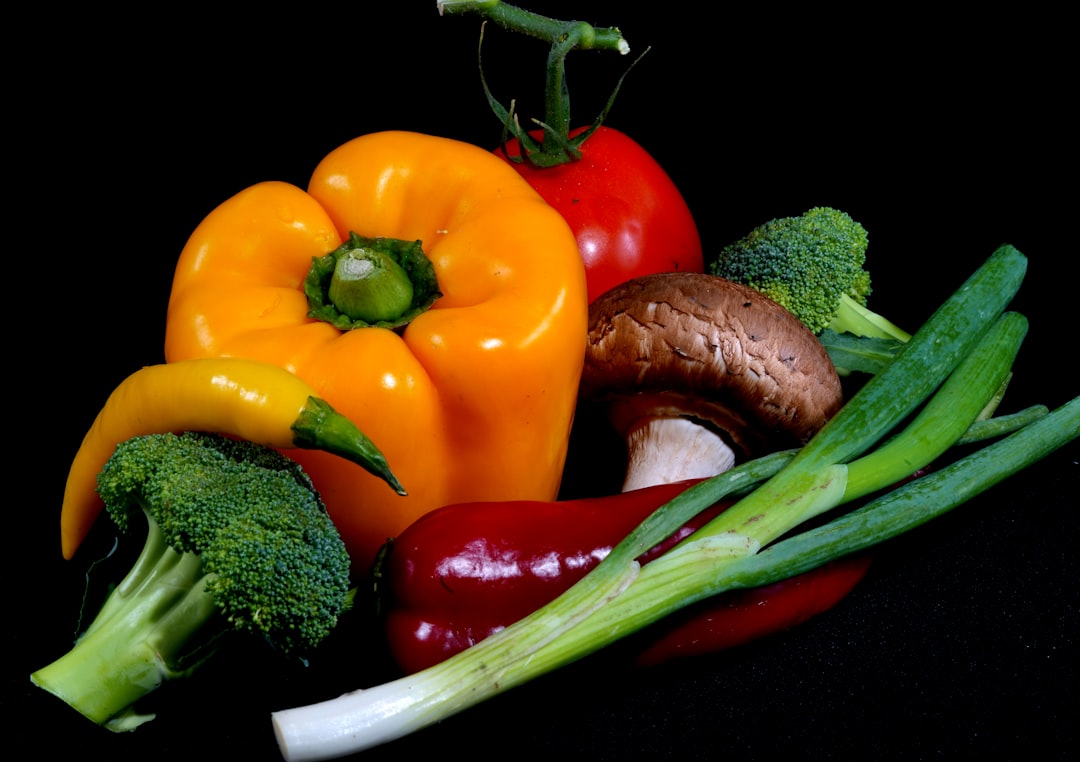
The Power of Plant Proteins: Your Essential Guide to Health and Planet
The world is turning its attention to plants, and for good reason. It seems that every day more people are joining the ‘green’ movement on their plates. It’s not just a passing trend; more and more of us are discovering the power of plant-based eating. Perhaps you’re already seeing a thousand new options emerge: from non-dairy milks to meat substitutes that leave you amazed. And, of course, the classics like beans, quinoa, or tofu, which are true champions.
Curious to know if these wonders can help you feel full, strengthen your muscles, or even maintain your weight? You’ve come to the right place. Here, we’ll break down the science behind plant proteins, when it’s beneficial to include them, and why they’re a win-win for you and our planet.

How Plant-Based Proteins Compare
To give you a quick idea of what these plant powerhouses offer, here’s a practical table. You’ll see there are options for all tastes and needs!
| Plant-Based Protein | Serving Size | Calories | Protein | Fats | Carbohydrates | Fiber | Sodium |
|---|---|---|---|---|---|---|---|
| Black beans, canned, unsalted | ½ cup | 114 | 7.5 g | 0.5 g | 20 g | 15 g | 0.5 mg |
| Tofu (extra firm) | 3.5 oz. | 94 | 10.6 g | 4.7 g | 3.5 g | 1.2 g | 18 mg |
| Chickpeas, canned, low sodium | ½ cup | 105 | 6 g | 2.3 g | 16.2 g | 5.3 g | 158 mg |
| Edamame | ½ cup | 94 | 9.2 g | 4 g | 7 g | 4 g | 4 mg |
| Peanut butter (smooth, unsalted) | 2 Tbsp. | 191 | 7.1 g | 16.4 g | 7.1 g | 1.4 g | 5 mg |
| Quinoa (cooked) | 1 cup | 222 | 8.1 g | 3.5 g | 39.4 g | 5.1 g | 13 mg |
| Oats | ½ cup | 153 | 5.3 g | 2.5 g | 25 g | 4 g | 3 mg |
| Lentils | ½ cup | 115 | 9 g | 0.4 g | 20 g | 8 g | 2 mg |
| Vital wheat gluten (seitan) | ¼ cup | 104 | 21 g | 0.5 g | 4 g | 0.2 g | 10 mg |
| Pea protein powder | 1 scoop (22 g) | 100 | 19 g | 2 g | 1 g | 0 g | 260 mg |
The Science Behind Plant Proteins: What Really Matters!
When we compare plant proteins to animal proteins, it goes beyond taste or package cost. If you’re embracing plants for health, science has some great things to tell you!
Are They As Good As Animal-Based For Your Body?
Forget the classic concern about whether plant proteins are “complete” or not. Remember the idea that you had to combine rice and beans in the same meal for it to count? Take a deep breath! Complete proteins have all nine essential amino acids that your body can’t produce on its own. Yes, many plant sources don’t have all nine at once, but here’s the good news: today’s experts say that if you eat a varied and balanced diet, your body takes care of gathering everything it needs throughout the day! A recent study even revealed that people who eat vegan or vegetarian already get all the amino acids they need. So, that fear of “deficiency” was more of a myth than anything else!
Watch Out For Vitamin B12!
Let’s be honest: in one thing, plants don’t beat animals: vitamin B12. This is what keeps your brain at its best and helps keep your blood healthy. If you decide to go completely vegan, you’ll most likely need a supplement. But don’t worry, there are many options on the market!
Are There Any Downsides to Plant Proteins?
Swapping meat for plants is usually a great idea for your health. Science says it: diets with more vegetables help you maintain a healthy weight, reduce the risk of type 2 diabetes, and even live longer!
But, as with everything, there are a couple of things to keep in mind.
Processed Foods: Read the Label!
Some plant-based protein foods (like those ready-to-eat vegan “meats” or “cheeses”) can be quite processed. And that’s where surprises can appear. Christine Milmine, RDN, warns us: “Depending on the product, sodium and saturated fats could be equal to or even higher than in meat. So, be sure to check the nutritional label well!” Amy Gorin, another expert dietitian, confirms: “They are delicious and make eating fun, but use them in moderation, not in every dish.”
Allergies or Sensitive Stomachs
If you have an allergy to soy or nuts (which are quite common), you might find it a bit harder to find plant-based options. And if your stomach is delicate, for example, if you have irritable bowel syndrome, be careful with fiber, as many vegetables have a lot of it.
Soy Fears? We Debunk the Myth!
For years, soy has been at the center of rumors: that it alters hormones, that it causes cancer… Enough already!
Fortunately, current science reassures us! A huge 2020 study with over 300,000 women showed that eating soy actually reduced their chances of breast cancer! And the American Cancer Society backs this up: soy foods are healthy and safe. So, enjoy your tofu and edamame without worries!
Environmental Benefits: Be a Planet Hero with Every Bite!
Eating more plant proteins not only nourishes your body but also gives our beloved planet a break!
Smaller Carbon Footprint
Imagine this: a 2019 study revealed that if you switch from a meat-based diet to a vegan one, your personal greenhouse gas emissions are cut in half! And if you lean towards being lacto-ovo-vegetarian, you lower them by 35%. Your plate decisions really matter!
Water, the Blue Gold
Water is another key area where plant proteins outperform animal ones. Did you know that producing meat (beef, pork, poultry) requires much more water than legumes, nuts, or grains? The water footprint of beef, for example, is six times larger than that of lentils. It’s crazy!
Even the UN Asks For It
The effects of reducing meat consumption are so significant that in 2019, the UN, in its climate change report, called on the entire world to eat less animal protein! So, even if you don’t become vegetarian overnight, small changes are already a big step for the planet.
Frequently Asked Questions: Getting Your Doubts Resolved!
Still have some questions? Here are clear and simple answers!
What are the best plant protein options?
The best options are those that not only give you a good protein boost but also come packed with other benefits.
To start, you can’t go wrong with beans! “They are unique because they bring fiber, something animal proteins don’t,” says Christine Milmine. “And fiber is a champion for your digestion and for warding off diseases.”
Amy Gorin recommends tofu. “I love it because it’s like a chameleon in the kitchen, it absorbs all flavors!” she says. And the soy allergies, which we mentioned before, are less common than people think.
Nuts are another gem, super easy to carry and versatile (and so delicious crunch crunch!). Amy, who works with Wonderful Pistachios, encourages you to include pistachios in your meals and snacks. “They give you 6 grams of protein per quarter cup. They are among the most protein-rich nuts for snacking!”
Who should be careful with plant proteins?
Anyone can (and should) enjoy plant-based foods in a balanced diet! But yes, some people need an extra pinch of caution.
If you’re monitoring sodium or fats, be sure to read the labels of those super-processed plant products! (Think of vegan burgers or cheeses). And of course, if you’re allergic to nuts or soy, check the ingredients carefully! If fiber causes you digestive problems, choose wisely. Tofu or soy milk, for example, give you protein with little fiber.
Plant Protein Powder vs. Whey?
This is an epic debate in the world of nutrition! Both powders help build muscle and lose weight, but plant-based ones are sometimes not “complete” and may have fewer grams of protein per scoop. The advantage is that many people digest them better because they don’t contain lactose. And if you’re vegan, then whey (which comes from cows) is not for you.
What is the best-tasting plant protein powder?
Taste is a whole world! But if we go by what people say online, some shine brightly. Orgain’s Vanilla Flavored Organic Superfood powder has over 40,000 reviews on Amazon, and 77% are five-star! There are thousands of brands with all kinds of flavors. With a little experimentation, you’re sure to find your favorite.
Conclusion: Dare to Explore the Plant World!
Whether you love tofu, beans, nuts, or a mix of everything, plant proteins have a world of things to offer. They are often cheaper, packed with nutrients, and come in a delicious palette of flavors. With all the benefits they bring to you and the planet, and having debunked those old myths, there’s no excuse not to make friends with plants! Your body and the Earth will thank you!