Pickleball, Padel, and Flag Football: The New Participation Sports Taking Over the U.S. in 2026
Meta description (SEO):
Discover why pickleball, padel, and flag football are exploding in popularity across the United States in 2026, and how these accessible, social sports are reshaping recreational athletics.
In 2026, American participation in sports looks very different from a decade ago. Instead of only flocking to traditional leagues, millions of people are picking up paddles and flags, drawn to sports that are social, low‑barrier, and easy to learn. Pickleball, padel, and flag football are leading this shift, rapidly expanding their player bases, facilities, and commercial ecosystems across the United States.
Why These Sports Are Booming Now
Several shared forces explain the simultaneous rise of pickleball, padel, and flag football.
-
Americans increasingly prioritize social, health‑oriented, and low‑impact activities they can play with friends and family.
-
Real estate owners, clubs, and schools see these sports as efficient, high‑demand uses of space compared to traditional fields or courts.
-
Media attention, celebrity endorsements, and future Olympic storylines (in flag football’s case) amplify visibility and aspiration.
Together, these factors are turning once‑niche activities into mainstream staples of U.S. recreational life in 2026.
Pickleball: From Fad to National Pastime
Pickleball is now firmly established as the fastest‑growing sport in the United States.
Explosive participation and market growth
Recent industry reports underline just how big the sport has become:
-
Around 19.8 million Americans played pickleball in 2024, a 311% increase over three years, and projections suggest participation could surpass 25 million by 2026.
-
Other forecasts expect 16–18 million active players by 2026, which would mean roughly one in every 20 Americans playing pickleball.
-
The U.S. pickleball market is estimated at about 700 million dollars in 2023, with projections pointing toward 1.3 billion dollars by 2028 on an annual growth rate of roughly 11–12.5%.
This trajectory confirms that pickleball is not a passing fad but a sustained cultural shift in American recreational sport.
Court construction and club models
Infrastructure is racing to catch up with demand.
-
Dedicated pickleball courts are expected to exceed 20,000 across the U.S. by 2026, up from about 11,000 in 2023 and over 13,000 in 2024.
-
One analysis suggests that more than 25,000 new courts could be built nationwide by 2026 to meet surging demand.
-
Indoor pickleball and club‑style venues—often described as “Topgolf for pickleball”—are growing quickly, combining courts with food, drinks, and social events.
These facilities make pickleball accessible year‑round and help position it as both a sport and a lifestyle.
Why Americans Love Pickleball
Pickleball’s success reflects how well it fits modern preferences.
-
The game is easy to learn, low‑impact, and suitable for mixed ages and skill levels, attracting both older adults and younger players.
-
Courts are smaller than tennis, allowing more playing areas to be created on existing surfaces and increasing social interaction.
-
The sport’s social and inclusive nature—drop‑in sessions, doubles play, and club leagues—makes it ideal for communities and corporate wellness programs.
This combination of accessibility and community explains why pickleball has become a go‑to activity for many Americans seeking fun exercise without the intensity of traditional team sports.
Padel: The Next Big Racquet Sport in the U.S.
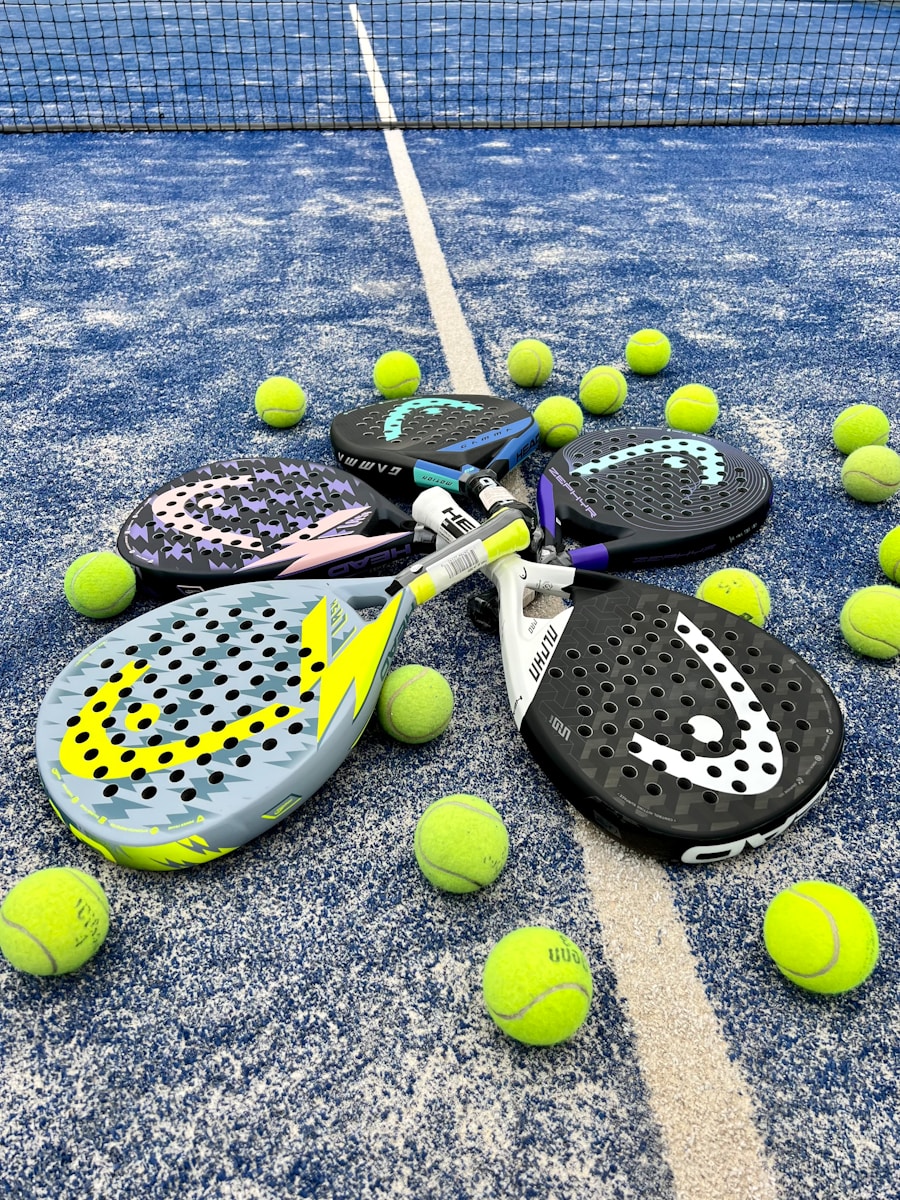
Padel, long popular in Europe and Latin America, is now gaining serious traction in the United States.
Rapid infrastructure expansion
The first comprehensive national padel report for the U.S. shows how quickly the sport is scaling.
-
As of Q2 2025, there were 688 padel courts across 180 facilities in 31 states, with the number of clubs growing by about 51.5% year‑on‑year.
-
Roughly 39% of U.S. padel courts are indoor, reflecting demand for all‑weather play and the use of existing warehouse and urban spaces.
-
The U.S. recently added 352 new courts, bringing the total to around 800 courts, with hot spots in Miami and Texas and steady expansion into the Northeast and Midwest.
Consulting projections suggest the U.S. could reach around 6,800 courts and close to 900,000 players by 2030 if current investment and marketing trends continue.
Lifestyle appeal and “irreversible” growth
Analysts describe the padel boom as “irreversible” given current momentum.
-
Padel’s mix of easy‑to‑learn rules, fast rallies, and social doubles play makes it appealing to tennis and pickleball players alike.
-
New “super clubs” and boutique venues—such as Urban Padel in Miami and emerging projects in Los Angeles and Texas—position padel as a premium, social‑lifestyle experience.
-
Celebrity endorsements and professional exhibitions, including events like Premier Padel in Miami, provide visibility and aspirational touchpoints for U.S. audiences.
These factors suggest padel is on course to become a mainstream racquet option in key U.S. markets by the late 2020s.
Flag Football: Fast, Inclusive, and Headed to the Olympics
Flag football is transforming from a PE and intramural game into a major participation sport with serious institutional backing.
Participation growth, especially among girls and youth
USA Football and NFL data show striking increases in youth flag participation.
-
Over 2.4 million kids under 17 are playing organized flag football in the U.S., with millions more participating globally.
-
From 2015 to 2024, the number of girls ages 6–12 playing flag football increased by about 283%, surpassing 144,500 participants, and overall girls’ flag participation (ages 6–17) rose 57%.
-
By 2024, more than 267,000 girls ages 6–17 were playing flag, with high school girls’ flag football now sanctioned as a varsity sport in 16 states and more running pilot programs.
Grants and development programs are helping schools and community organizations with equipment, coach training, and league structures to keep up with interest.
Olympic pathway and NFL backing
The biggest catalyst for flag football’s future is its Olympic debut.
-
Flag football has been approved as an official sport for the 2028 Los Angeles Olympics, thanks to a joint “Vision28” effort by the NFL and the International Federation of American Football.
-
The NFL has confirmed that its players will be allowed to compete at the Games, dramatically raising the sport’s profile and aspirational appeal.
-
The NCAA Committee on Women’s Athletics has recommended flag football as an Emerging Sport for Women, encouraging colleges to add varsity programs and scholarships.
These developments create a clear path from youth leagues to college play and the Olympic stage, especially for girls and women who previously had limited avenues in American football.
Common Drivers: Accessibility, Social Play, and New Facility Models
Although pickleball, padel, and flag football are different sports, they share several structural traits behind their growth.
-
Accessibility: All three are easier to learn and less physically punishing than their contact or endurance‑heavy counterparts, making them appealing to wider age and ability ranges.
-
Social and community‑driven: Formats emphasize doubles, small‑sided teams, and local leagues, helping players build friendships and routines around regular play.
-
New facility economics: Converted warehouses, rooftop courts, and multi‑sport complexes allow operators to maximize revenue per square foot while offering food, drink, and events.
These characteristics align perfectly with broader U.S. trends toward experiential leisure, wellness, and flexible use of urban and suburban real estate.
Commercial Opportunities Around These Sports
The rise of these participation sports is creating new business opportunities in the U.S. market.
-
Equipment and apparel brands are developing dedicated product lines—paddles, balls, footwear, and performance wear—for pickleball and padel.
-
Tech platforms and apps are emerging for booking courts, organizing leagues, ranking players, and tracking performance.
-
Investors are backing franchises and club chains in pickleball and padel, while colleges and schools invest in flag football programs and facilities.
Given current growth rates and the demographic mix of participants, these sports are increasingly viewed as long‑term pillars of the U.S. recreational and grassroots sports economy.