Unlocking Creative Potential: The Rise of Advanced Laser Engraving and Cutting Technology
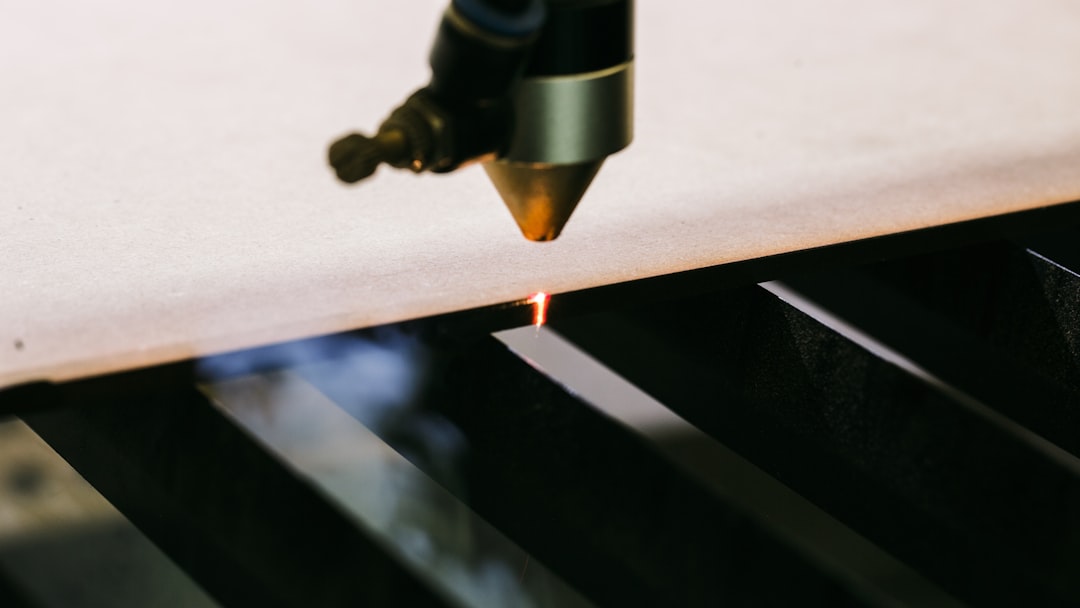
The landscape of modern creativity and entrepreneurship is being rapidly reshaped by advancements in Laser Engraving and Cutting Technology. What was once the domain of industrial behemoths is now increasingly accessible, precise, and user-friendly, empowering a diverse range of individuals – from hobbyists and artists to entrepreneurs and industrial professionals – to transform their visions into tangible realities. Companies at the forefront of this revolution are emphasizing innovation, intelligent precision, and an unparalleled user experience, making sophisticated laser capabilities an integral part of the creative lifestyle.
Emerging Tendencies Revolutionizing Laser Technology
The current generation of laser engraving and cutting machines is defined by several key innovations that are pushing the boundaries of what’s possible:
1. Intelligent Precision and Automation
The days of complex manual calibrations are fading. Modern laser systems, exemplified by offerings like the MEGA-S 70W CO2 Laser and various Fiber Laser series (GT, GA, GM), are integrating advanced automation features. These include auto-focus capabilities, which eliminate tedious adjustments, and intelligent precision systems that streamline the engraving and cutting process. Some high-end CO2 machines even incorporate cameras and conveyor belt engraving, hinting at a future where machines think for themselves, vastly simplifying operation and enhancing output consistency.
2. Unprecedented Material Versatility
Today’s laser technology offers specialized solutions for nearly any material. Fiber and MOPA lasers (ranging from 30W to 200W) are specifically engineered for metal, allowing for durable marking, deep engraving, and even color engraving with astonishing precision. CO2 lasers, on the other hand, excel with organic materials like wood and acrylic, providing clean cuts and intricate designs. This broad material compatibility means creators are no longer limited by their tools but rather by their imagination.

3. Enhanced Accessibility and User-Friendliness
The market is witnessing a significant drive towards making laser technology accessible to a wider audience. Desktop CO2 engravers like the Monport Reno and K40 series offer compact footprints and intuitive interfaces, making them ideal for beginners and those with limited space. Portable diode lasers cater to on-the-go projects, while “Trade-In” programs and affordable pricing structures lower the barrier to entry for aspiring entrepreneurs and hobbyists. Compatibility with popular software like Lightburn further enhances the user experience, ensuring a smooth transition for new users.
4. Comprehensive Support Ecosystems and Community Building
Beyond the hardware, a robust support infrastructure is becoming crucial. This includes readily available technical support (often US-based), extensive online resources such as FAQs, guides, and selection tools, and vibrant community platforms. Blogs offering “how-to” guides and design inspirations, customer galleries showcasing successful projects, and social media groups foster a collaborative environment where users can learn, share, and grow. This holistic approach ensures users are supported every step of the way, maximizing their investment and creative journey.
5. Specialization and Hybrid Systems
The technology is also evolving towards greater specialization (e.g., MOPA lasers for color engraving, high-speed industrial machines for rapid production) and the emergence of hybrid systems. The “Dual Laser Autoforge” series, for instance, hints at integrated multi-laser functionalities (MOPA, XPro, UV), promising unprecedented versatility and efficiency by combining different laser types in a single machine.
Why These Trends Matter: Impact on Creative and Entrepreneurial Lifestyles
These advancements in laser technology are not just incremental improvements; they are transformative for various user segments:
- For Artists and Designers: Precision engraving and cutting tools unlock new dimensions of artistic expression. The ability to engrave intricate details, achieve color variations on metal, or create 3D reliefs allows artists to experiment with complex designs on diverse materials, from custom jewelry to personalized home decor and unique stationery.
- For Entrepreneurs and Small Businesses: The automation and speed of modern lasers significantly boost productivity and enable mass customization. Entrepreneurs can efficiently produce personalized products, create custom signage, or develop unique prototypes, gaining a competitive edge. Affordable entry points and reliable support reduce business risks and foster innovation.
- For Professionals and Industrial Applications: High-powered, automated industrial laser engravers deliver the speed, accuracy, and reliability required for demanding tasks such as precise logo engraving, serial number marking, and complex design fabrication on a large scale. Integrated cooling systems and safety features ensure continuous, safe operation.
- For Hobbyists and Beginners: Accessible, user-friendly, and compact desktop machines, combined with extensive online resources and supportive communities, lower the barrier to entry. This empowers beginners to explore their creativity, craft unique gifts, or engage in DIY projects without needing specialized prior knowledge, fostering a new generation of makers.
The Future Outlook for Laser Engraving and Cutting Technology
Based on the current trajectory of innovation, the future of Laser Engraving and Cutting Technology appears set for:
- Further Automation and AI Integration: Expect even more sophisticated automation, potentially incorporating AI-driven design optimization and error correction, making laser operation even more seamless and intelligent.
- Expansion of Hybrid Systems: Dual-laser and multi-laser machines will likely become more prevalent, offering unparalleled material compatibility and specialized finishing techniques within a single unit.
- Enhanced Material Capabilities: Research and development will continue to push the boundaries of what materials can be processed and how, potentially leading to new forms of engraving, cutting, and surface modification.
- Stronger Community and Educational Resources: As the user base grows, so too will the demand for shared knowledge, advanced tutorials, and collaborative spaces, cementing laser technology’s role as a community-driven creative tool.
- Increased Accessibility: Continued advancements in affordability, ease of use, and portable designs will ensure that this powerful technology reaches an even broader global audience, democratizing manufacturing and design.
Conclusion
Advanced Laser Engraving and Cutting Technology is more than just a tool; it’s an enabler of modern creative and entrepreneurial lifestyles. By continuously pushing the boundaries of precision, automation, material versatility, and user accessibility, it empowers individuals and businesses to transform ideas into reality with unprecedented efficiency and artistic freedom. As this technology continues to evolve, its integration into our daily lives and industries will only deepen, promising an exciting future for innovation and personalized creation.