
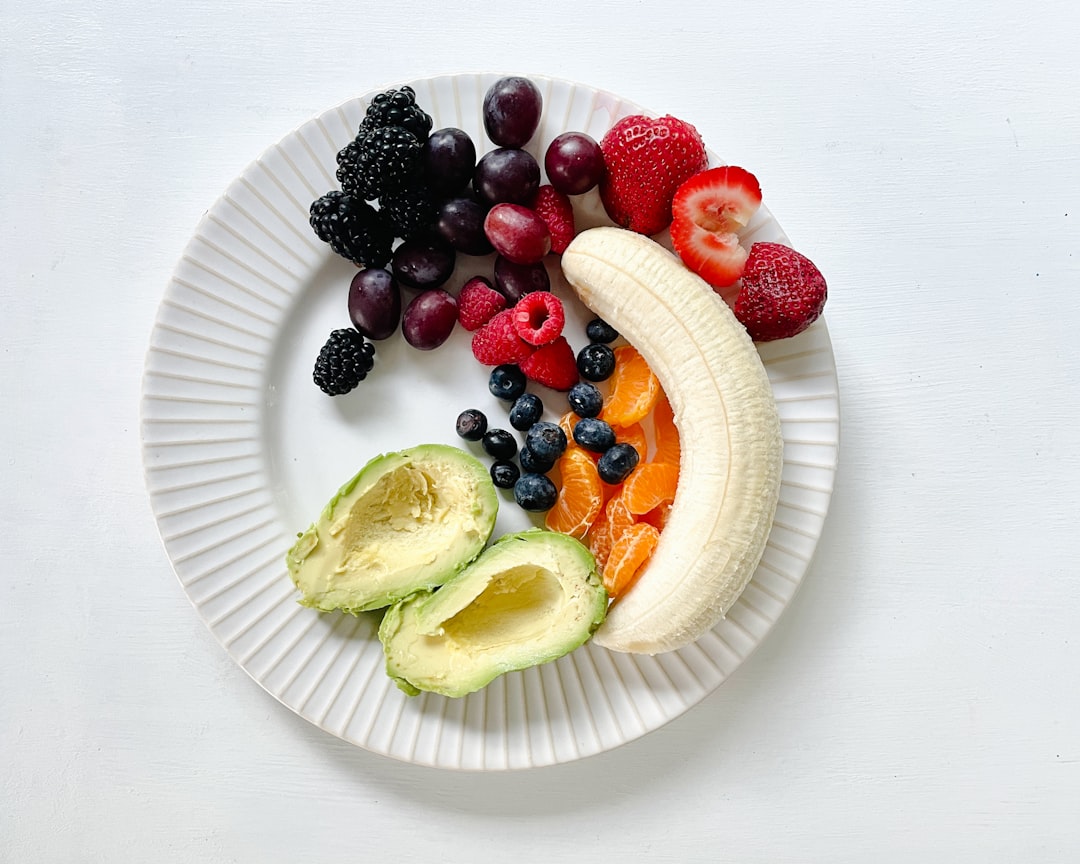
Embracing Food Freedom: Ditching Diets and Building Trust in Your Body
In an era increasingly questioning rigid norms and seeking holistic well-being, a powerful movement is reshaping our relationship with food: Food Freedom. This paradigm shift encourages individuals to break free from the perpetual cycle of dieting, societal pressures, and the often-unrealistic pursuit of a specific body ideal. It’s a concept gaining significant traction, with experts across health and wellness advocating for a more compassionate, sustainable approach to nutrition.
Understanding "Food Freedom" in Today’s Landscape
While "Food Freedom" can encompass various interpretations—from discussions around food production and cultural significance to spiritual journeys healing a strained relationship with eating—its core meaning in the realm of personal health and well-being is clear: liberation from restrictive dieting. It’s about empowering individuals to enjoy a balanced variety of foods, free from guilt or judgment (barring genuine allergies or medical conditions).
At its heart, Food Freedom invites us to view eating not merely as fuel, but as an opportunity for joyful nourishment. It’s about cultivating a healthy, happy connection with every meal and snack. This journey often intertwines with practices like intuitive eating and mindful eating, which serve as invaluable tools for re-establishing trust in our bodies’ innate wisdom rather than relying on external rules.
For many, particularly those recovering from disordered eating patterns, Food Freedom offers a crucial pathway to healing both physically and mentally. It can be a powerful ally in dismantling diet culture’s pervasive influence or finding a more flexible equilibrium, even for those with weight management goals. Crucially, when we speak of Food Freedom here, we emphasize its role as a non-diet approach to health and well-being.
A Critical Note on Eating Disorders
It is vital to acknowledge that eating disorders and complex relationships with food can affect anyone, regardless of identity, age, or background. These conditions are multifaceted, influenced by biological, social, and environmental factors, not solely diet culture.
If you find yourself preoccupied with food, weight, or body image, or if the idea of eating healthily and guilt-free feels overwhelming, please reach out for support. Nutritionists and therapists specializing in eating disorders are invaluable allies who can provide guidance and support in building a kinder, healthier relationship with food and yourself.
Resources like the National Eating Disorders Association (NEDA) offer anonymous and free support through chat, call, or text with trained volunteers, alongside a wealth of free and low-cost resources.
The Genesis of Food Freedom
The concept of Food Freedom didn’t emerge in a vacuum. It arose from a profound need to find healing modalities for our relationship with food that moved beyond solely medical interventions, focusing instead on shifting attitudes and fostering positive body image.
Decades of research highlight a troubling truth: chronic dieting, the relentless pursuit of thinness, and body dissatisfaction significantly elevate the risk of developing serious issues like bulimia or binge eating disorder. Even individuals with naturally slender physiques can develop anorexia driven by adherence to strict diets.
The multi-million-dollar diet industry perpetuates an often-unrealistic "thin ideal," driving unhealthy habits and inadvertently paving the way for disordered eating. Compounding this, the vast majority of restrictive diets fail in the long term, with many individuals regaining the lost weight, and sometimes more.
Food restriction creates a fraught relationship with eating. Food Freedom, conversely, acts as an antidote. By embracing mindfulness, it helps individuals manage emotional eating and binge episodes, fostering an ability to eat in response to genuine hunger rather than external cues or cravings alone.
Intuitive eating, in particular, is consistently linked to improved emotional and physical well-being, aiding in the release of burdensome dietary restrictions.

Food Freedom, Intuitive Eating, and Mindful Eating: Are They Synonymous?
While often used interchangeably, "Food Freedom," "intuitive eating," and "mindful eating" have distinct characteristics, though they are deeply interconnected:
- Mindful Eating: Rooted in Buddhist mindfulness practices, mindful eating encourages full presence during meals. It involves paying attention to the flavors, textures, aromas, and the overall experience of eating without judgment. It’s the art of savoring life through your plate.
- Intuitive Eating: This approach also strengthens the mind-body connection and is firmly anchored in the "Health at Every Size" (HAES) philosophy. It encourages listeners to detach from the scale and embrace 10 core principles, such as honoring hunger, making peace with food, and respecting your body.
- Food Freedom: This is a broader concept. Sometimes it functions as a synonym for intuitive or mindful eating. Other times, it seeks a middle ground between healthy weight management and maintaining a flexible relationship with food that doesn’t feel like a perpetual diet.
The common thread uniting these philosophies is a shared goal: to reduce restrictive food rules and foster a healthier, happier relationship with eating. The ultimate aim is to eliminate guilt and shame often associated with consuming foods previously deemed "forbidden" or "bad."
Practical Steps to Embark on Your Food Freedom Journey
If you’re seeking Food Freedom as a non-diet path to health, prepare to liberate yourself from the pressures of thinness, dangerous weight cycling, and the frustrating "yo-yo" effect. Whether you lean towards the tranquility of mindful eating or the comprehensive principles of intuitive eating, one thing is certain: you can break free from restrictions and judgment. It’s a journey well worth taking.
Here are some practical tips to begin:
- Seek professional guidance: Work with a coach or nutritionist knowledgeable in intuitive or mindful eating. They can be invaluable guides on this path.
- Deconstruct "good" vs. "bad" food labels: Consider the purpose of food in each moment: does it provide energy, nutrients, or pleasure?
- Remove moral baggage from food: Eating a slice of cake doesn’t make you a "bad" person, and your food choices do not define your worth.
- Allow yourself to enjoy favorite foods: Without feeling you must "be good" to earn them. This can help prevent compensatory binge eating.
- Focus on habits that genuinely make you feel good: Hydrating, moving your body joyfully. Health encompasses far more than a number on the scale.
- Learn to listen to your body: Are you hungry? Are you satisfied? What emotions are you experiencing? Stop eating solely by the clock or out of obligation to finish your plate.
- Take your time during meals: Put away your phone and turn off the TV. Savor each bite.
- Pay attention to how different foods make you feel: Do they energize you or leave you feeling sluggish? Choose what makes you feel vibrant and content.
Does Intuitive Eating Lead to Weight Loss?
It’s true that some studies suggest intuitive eating may correlate with a lower body mass index (BMI), but it’s crucial to understand: its core purpose is not to be a weight-loss diet.
If an intuitive eating program promises weight loss, approach it with skepticism. The reality is that by tuning into your body’s signals, you might lose weight, maintain it, or even gain a little. The goal is for your body to find its "happy weight"—the weight that is natural and healthy for you.
Similarly, the principles of mindful eating do not inherently focus on weight loss, although some programs have adopted mindfulness messages for this purpose. Certain approaches may seek a balance, promoting healthy habits and minor caloric adjustments for gradual weight loss, without outright forbidding enjoyable but less "nutritious" foods.
In Summary: The Future of Our Food Relationship
The term "Food Freedom" is a trending phrase with multiple facets, ranging from anti-diet movements to broader discussions about food systems. Context is key to understanding its application.
However, in the context of non-diet nutrition and health, Food Freedom is about learning to listen to your body, discarding the "good" vs. "bad" food mentality, and cultivating habits that truly nourish you, independent of the scale’s dictates.
At their core, the principles of intuitive and mindful eating do not primarily center on or promote intentional weight loss. Their profound impact lies in empowering you to discover and embrace habits that truly nourish and fulfill you, which, incidentally, can lead you to a healthier weight that is natural for your unique body.
Ultimately, these philosophies equip you with the tools to forge a beautiful, positive relationship with both food and your body, founded on trust and compassion, rather than the tyranny of diet culture.
A Small Step You Can Take Today!
During your next meal, put away your phone and turn off the television. Chew slowly and deliberately—try counting to 20 with each bite. Notice how much more you enjoy your food and how your body begins to communicate when it’s truly satisfied.