
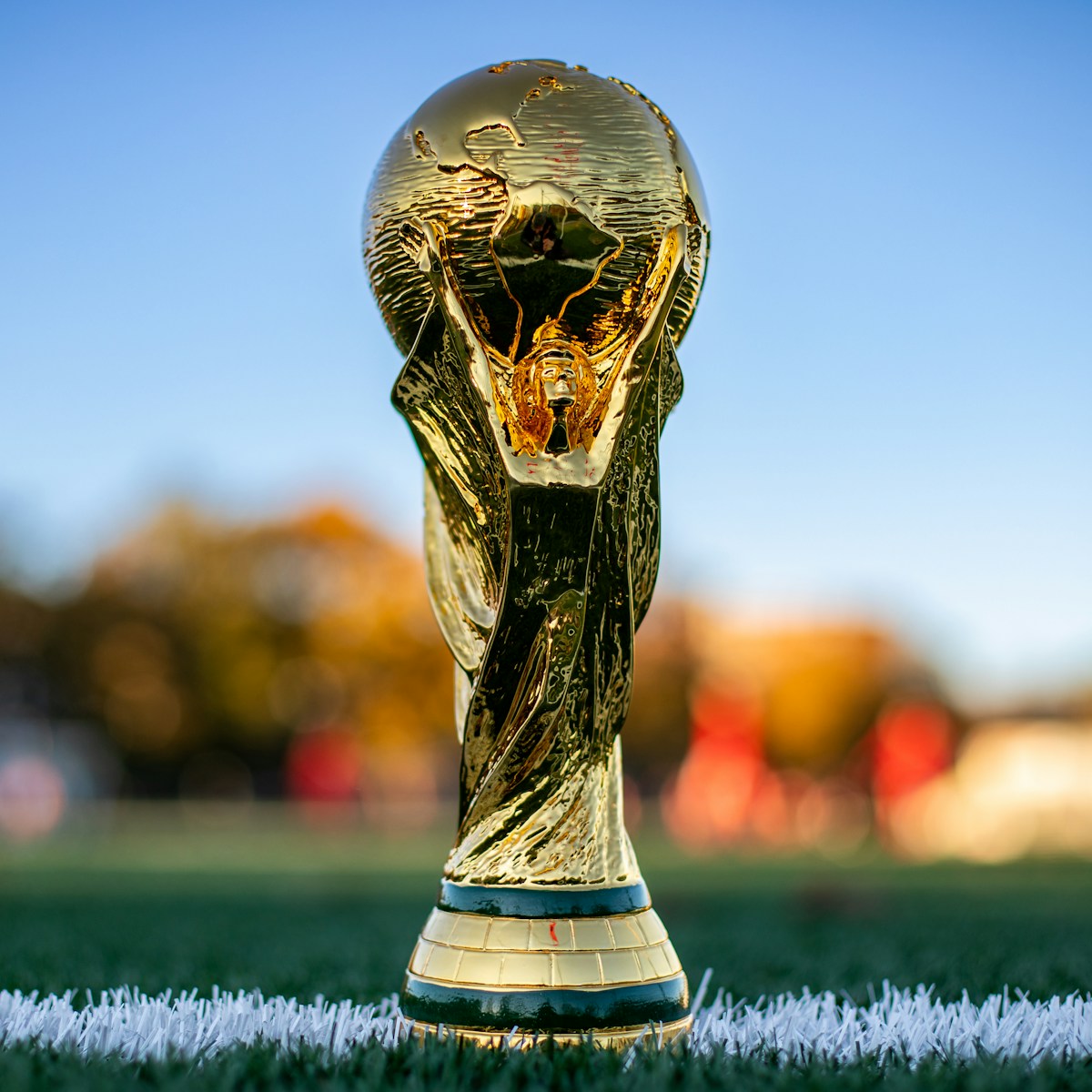
The 2026 FIFA World Cup is already changing the sports landscape in the United States, even before the first ball is kicked. As one of the biggest global sporting events ever hosted on American soil, the tournament is accelerating fan growth, attracting unprecedented investment, and pushing soccer closer to the mainstream of U.S. sports culture. For brands, teams, investors, and media companies, 2026 is not just another tournament—it is a once‑in‑a‑generation catalyst.
In this article, you will learn how the World Cup is reshaping soccer fandom, why investors are pouring money into clubs and infrastructure, and what this means for the future of sports in the United States.
Why the 2026 World Cup Matters for the U.S. Market
The United States, alongside Mexico and Canada, will host the largest World Cup in history in 2026, with an expanded 48‑team format and more matches than any previous edition. This scale immediately raises the commercial stakes and the potential for long‑term impact on soccer in the U.S.
Several factors make 2026 uniquely important:
-
The tournament will take place in some of the most commercially advanced sports markets and stadiums in the world, particularly in major U.S. cities.
-
The United States already has a growing base of soccer fans, driven by Major League Soccer (MLS), European leagues on streaming, and a young, multicultural population.
-
Sponsors, broadcasters, and digital platforms view 2026 as a key moment to acquire new fans and customers in a highly competitive sports media environment.
For the U.S., the World Cup is less about introducing soccer and more about accelerating a trend that has been building for years.
The Rapid Growth of Soccer Fandom in the U.S.
Soccer fandom in the U.S. has been steadily rising, and 2026 is expected to act as a multiplier. Surveys and audience data show that younger fans, especially Gen Z and millennials, are more likely to follow soccer alongside traditional American sports.
Key drivers of fan growth include:
-
Global connectivity: Streaming platforms give U.S. fans easy access to the Premier League, LaLiga, and Champions League, turning global clubs into household names.
-
Demographic shifts: Hispanic and immigrant communities, which have historically strong soccer cultures, are expanding their influence on the overall sports market.
-
Social media and highlights: Short‑form video and highlight culture make soccer’s continuous action and dramatic moments highly shareable.
The World Cup amplifies all these drivers at once. Casual viewers who might only watch national team games will be exposed to weeks of high‑stakes soccer, storytelling, and coverage across every major media platform in the country.
World Cup 2026 Host Cities and Stadium Upgrades
The selection of multiple major U.S. metropolitan areas as host cities is pushing investment in stadium upgrades, transportation, hospitality, and fan infrastructure. Cities such as New York/New Jersey, Los Angeles, Dallas, and others are preparing for global audiences and high spending visitors.
This preparation includes:
-
Renovations and technology enhancements in large NFL stadiums to meet FIFA standards and deliver world‑class fan experiences.
-
Improvements in connectivity, digital ticketing, and in‑stadium data systems to handle massive crowds and real‑time content demands.
-
Expanded transit access, fan zones, and entertainment districts designed to keep visitors engaged before and after matches.
These investments are not only for one summer; they will benefit domestic leagues, concerts, and other events for years, deepening the role of these venues as multi‑purpose sports and entertainment hubs.
Investment Surge in U.S. Soccer Clubs and Leagues
In anticipation of 2026, investors are increasingly targeting soccer assets in North America. Franchise valuations in MLS have been climbing steadily, with new expansion teams entering at prices that would have been unthinkable a decade ago.
Investment trends include:
-
Private equity and institutional capital entering soccer funds, sports holding companies, and multi‑club ownership models that include U.S. teams.
-
Strategic investments from global clubs and brands seeking a foothold in the U.S. market ahead of 2026.
-
Infrastructure and technology investments in training centers, academies, and data analytics platforms to improve player development and performance.
The World Cup acts as a deadline and a spotlight; investors want to be in position before the surge in attention, sponsorships, and fan engagement peaks in 2026.
How Brands Are Using 2026 to Reach New Fans
For brands, the 2026 World Cup is an opportunity to connect with a diverse, global audience centered within U.S. borders. Sponsors are planning integrated campaigns that bridge live events, digital platforms, and retail activations.
Effective brand strategies around 2026 commonly include:
-
Long‑term storytelling around national teams, star players, and host cities, instead of short‑term, tournament‑only campaigns.
-
Multicultural and bilingual marketing that resonates with Hispanic audiences and international visitors.
-
Heavy use of influencers, creators, and former players to build authentic connections with younger fans on social platforms.
Because the World Cup is shared across three countries, brands are also designing North America‑wide strategies that can flex to regional differences while retaining a unified message.
Streaming, Media Rights, and the Battle for Attention
Media rights and distribution will be central to how American fans experience the 2026 World Cup. Streaming platforms and broadcasters are already positioning themselves to capture record audiences and advertising revenue.
Key media trends include:
-
Growth of direct‑to‑consumer streaming bundles that mix live matches with documentaries, studio shows, and behind‑the‑scenes content.
-
Second‑screen experiences, including live stats, alternate commentary feeds, and co‑watching features designed for social viewing.
-
Innovative advertising formats such as dynamic ad insertion, interactive shoppable ads, and branded content series around teams and players.
In a crowded U.S. sports calendar, media companies are betting that the unique global nature of the World Cup will cut through and draw in audiences that may not watch traditional domestic leagues regularly.
Youth Participation, Academies, and the Next Generation
Beyond fandom and media, the 2026 World Cup is encouraging more investment in youth participation and development pathways across the United States. Youth clubs, school programs, and academies are leveraging the tournament to attract new players and justify improved facilities.
Important developments include:
-
Growth of professional club academies and reserve teams designed to identify and develop talent earlier.
-
Increased collaboration between youth organizations and professional clubs to align playing styles, coaching philosophies, and scouting.
-
Greater emphasis on sports science, data tracking, and injury prevention even at younger levels, reflecting trends from elite European clubs.
Parents and communities see the World Cup as a source of inspiration and aspiration, making soccer a more attractive option alongside traditional U.S. sports such as American football and baseball.
The Role of Technology in Enhancing the World Cup Experience
Technology will be at the heart of how fans, teams, and organizers experience the 2026 World Cup. From ticketing and security to performance analytics and fan engagement, digital tools will shape every stage of the tournament journey.
Key technological areas to watch:
-
Smart stadiums: Advanced connectivity, real‑time crowd management, and personalized content delivery inside venues.
-
Fan engagement apps: Mobile platforms providing match information, navigation, augmented reality experiences, and loyalty rewards.
-
Performance analytics: Wearables, tracking systems, and AI‑powered insights for teams to analyze players, tactics, and opposition patterns.
These innovations will not disappear after the tournament; they will become part of the standard expectations for U.S. sports fans, raising the bar for other leagues and events.
Sports Betting and the 2026 World Cup
Legalized sports betting is one of the fastest‑growing segments of the U.S. sports economy, and the World Cup is expected to generate record handle and engagement. Sportsbooks and media companies see the tournament as a perfect stage for live betting products and educational content for newer bettors.
Likely developments include:
-
Special World Cup promotions, parlays, and live in‑play markets tailored to casual and experienced bettors.
-
Integrations between betting platforms and streaming or live data feeds, enabling faster and more personalized betting experiences.
-
Responsible gambling messaging embedded into tournament coverage, as regulators and operators aim to balance growth with consumer protection.
This convergence of betting and global football will further normalize soccer within the broader U.S. sports entertainment ecosystem.
Women’s Soccer and the World Cup Halo Effect
While the 2026 tournament is a men’s World Cup, the momentum it creates is expected to spill over into women’s soccer in the United States. Rising interest in global football, combined with ongoing investment in women’s leagues and players, creates a powerful halo effect.
Key ways this may show up:
-
Increased visibility and attendance for domestic women’s leagues, as new fans look for local teams to support after the World Cup.
-
More investment in women’s clubs, media rights, and sponsorship deals, as brands pursue inclusive and future‑oriented sports strategies.
-
Cross‑promotion between men’s and women’s national teams, using shared branding, campaigns, and fan engagement platforms.
For stakeholders, 2026 is an opportunity to position women’s soccer as an integral part of the sport’s long‑term growth in the U.S., not just a parallel product.
Economic Impact on U.S. Cities and Businesses
Major events like the World Cup often bring significant economic impact to host regions through tourism, hospitality, and local spending. Projections for 2026 suggest billions in direct and indirect economic activity across North America, with U.S. cities capturing a substantial share.
Areas that stand to benefit include:
-
Hotels, restaurants, transportation services, and local attractions catering to international visitors.
-
Temporary and permanent jobs related to event preparation, security, logistics, and venue operations.
-
Small businesses near stadiums and fan zones, which can leverage increased foot traffic and visibility.
However, the most valuable legacy may be reputational: host cities can solidify their status as global sports and tourism destinations long after the tournament ends.
Long‑Term Legacy: Will Soccer Finally Become “Big Four” in the U.S.?
A recurring question around 2026 is whether the World Cup will finally elevate soccer into the same cultural tier as the NFL, NBA, MLB, and NHL in the American sports hierarchy. The answer will depend on what stakeholders do before, during, and after the tournament.
Several factors will influence the legacy:
-
Whether domestic leagues can convert World Cup interest into regular season attendance, subscriptions, and merchandise sales.
-
The ability of media companies to keep storytelling, documentary content, and coverage alive year‑round, not just during the tournament.
-
Long‑term commitments to youth development, local club support, and community engagement that build deep, generational fandom.
The World Cup alone will not transform soccer overnight, but it provides an extraordinary platform to accelerate everything that has already been set in motion in the U.S. market.